

 English
 Español
 عربى
We are a national high-tech enterprise. At present, there are many kinds of self-woven and cooperatively processed fabrics, including microfiber warp-knitted towel cloth, weft-knitted towel cloth, coral fleece, etc.
Content
Personalized is one of those words that means something slightly different to every buyer who says it. A gift retailer pictures a name embroidered in script across the corner of a throw. A camping brand pictures its logo printed along a carry strap. A supermarket buyer pictures a private-label picnic blanket that matches next spring's patio display. All three are asking for a personalized outdoor blanket, and all three need a mill that can turn that idea into something repeatable, testable and shippable. These are the questions we work through every week, so we have gathered the useful ones here.
What Personalization Actually Includes
The phrase covers more ground than most people expect. In practice, a custom outdoor blanket program usually combines three or four of the following:
- Full-colour surface printing of photos, artwork or all-over patterns
- Embroidery, appliqué or woven patches for names, monograms and logos
- Custom colour matching to a Pantone reference or a seasonal retail palette
- Custom dimensions chosen for a specific use or price point
- Branded woven labels, care labels and hangtags
- Added hardware such as carry straps, handles, corner loops or snap closures
- Retail packaging: poly bag, belly band, gift box and carton markings
These choices are not independent of one another. A heavier fabric changes how fine a print can be, a strap adds a sewing step and a hardware test, and a gift box changes the carton size, which changes how many units fit in a container. That is why it helps to talk through the whole package with a mill before artwork is finalised, rather than treating personalization as a step that happens at the end of production.
Choosing Fleece That Can Handle Grass, Sand and Cold
An outdoor blanket gets folded, dragged, sat on and washed, so the fabric has to be selected for abrasion resistance as much as for warmth. Three fleece families cover most of the programs we run.
Flannel and brushed fleece
Flannel is brushed on one or both sides, which gives it a soft, cotton-like hand and a tight surface that takes print and embroidery cleanly. It is the fabric most buyers picture when they imagine a personalized picnic blanket, and a weight between 250 and 300 gsm keeps it light enough to pack while still feeling substantial in the hand.
Coral fleece
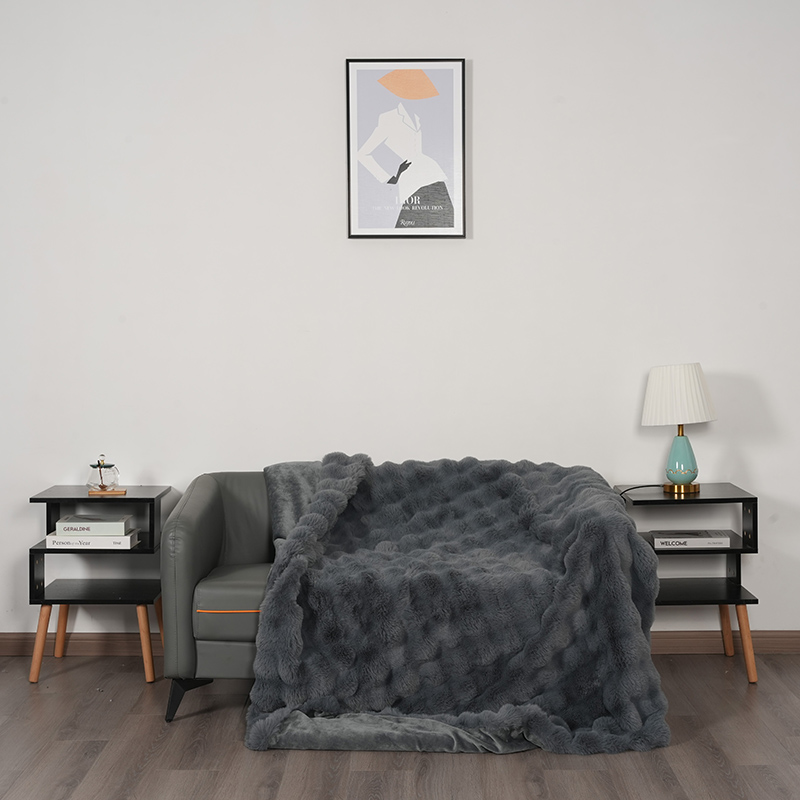
Coral fleece is lighter, loftier and generally lower in cost. That makes it a sensible choice for high-volume promotional runs, gift-with-purchase sets and entry price points, provided the design does not rely on sharp printed detail or on the blanket surviving years of heavy outdoor use.
Polar fleece and double-layer builds
Polar fleece is denser and warmer, which is why it tends to appear in stadium and camping programs where the blanket is expected to block a cold breeze rather than simply sit over a lap. Because it is thicker, it also tolerates a wider binding and heavier hardware without looking clumsy.
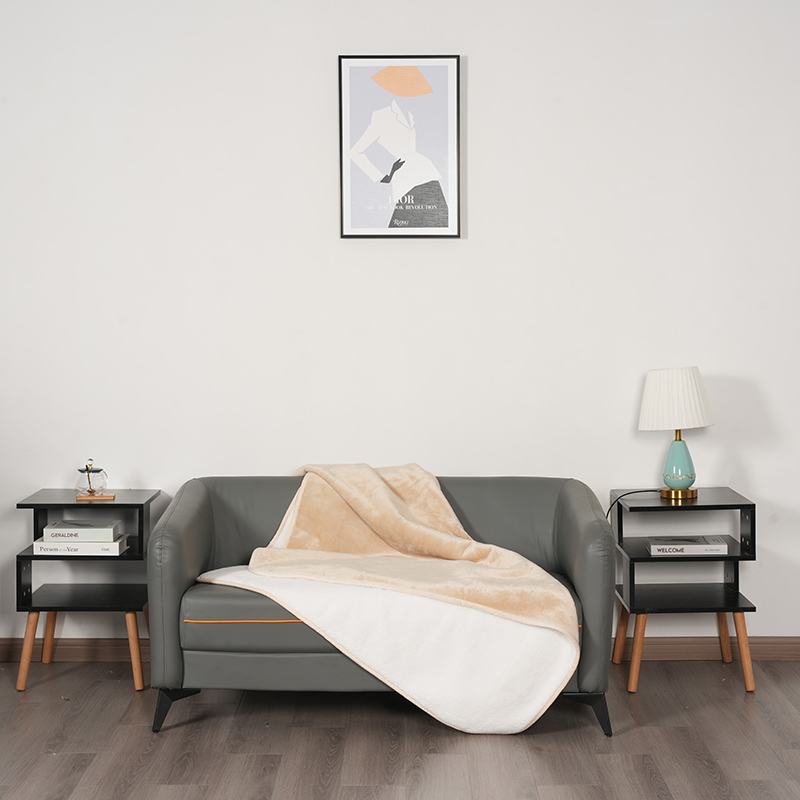 Polar Fleece Bound Edge Blanket for Warmth and DecorA versatile, inexpensive polar fleece blanket with bound edges, rich color and pattern options for decorative throws, bed covers, or car and outdoor use.View Product →
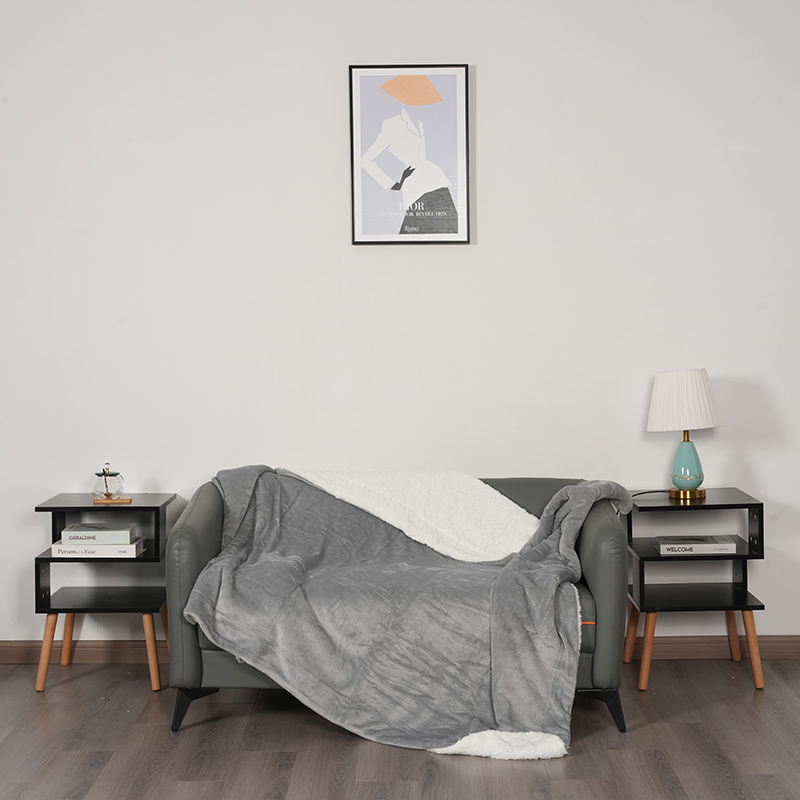
For programs that need two different looks from one product, a double-layer construction is worth considering. The printed side can carry the artwork while the reverse stays solid, and the two layers can be joined across the whole surface so the blanket does not bunch after washing.
Printing and Decoration: Matching the Method to the Run
The artwork usually decides the method, but so does the order quantity. A photograph of a customer's dog and a two-colour repeat pattern do not belong in the same production plan, and a mill that says yes to both in the same way is not being honest with you.
| Decoration method | Comfortable run size | Typical result | Outdoor consideration |
|---|---|---|---|
| Sublimation printing | 300 pieces and up | Photographic, all-over colour | Colour sits within the fibre, so it resists cracking and repeated washing |
| Rotary screen printing | 1,000 pieces and up | Bold repeat patterns and spot colours | Lowest unit cost at volume, but artwork has to be simplified |
| Digital direct printing | 50 to 300 pieces | Detailed artwork in small batches | Ideal for test runs and pre-production samples |
| Embroidery | Any quantity | Raised, textured names and marks | Keep dense stitching away from high-abrasion edges and corners |
| Woven label or patch | Any quantity | Clean, durable branding | A practical fallback when artwork is too detailed to print |
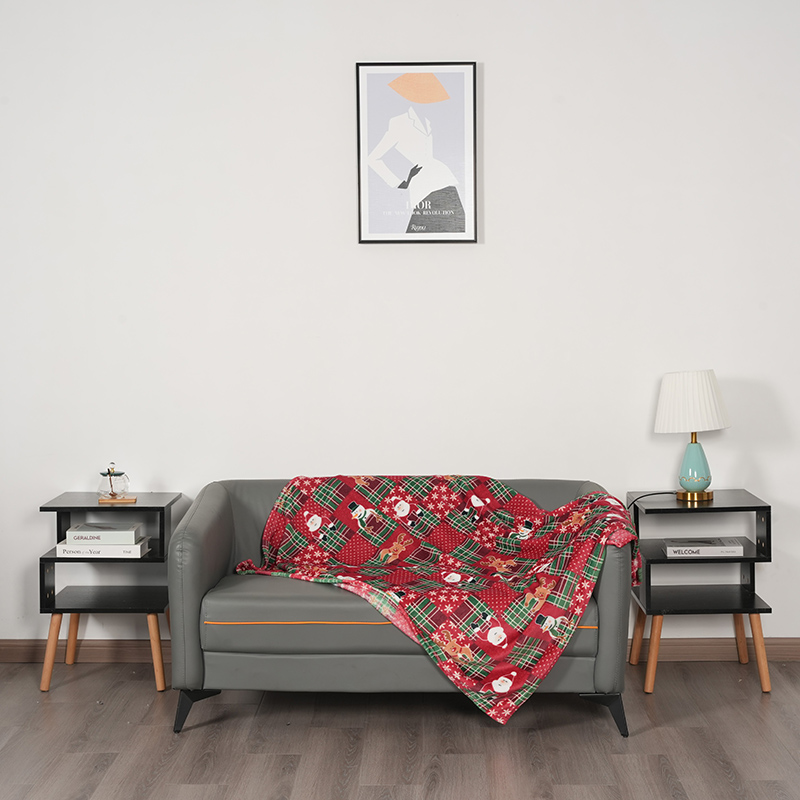
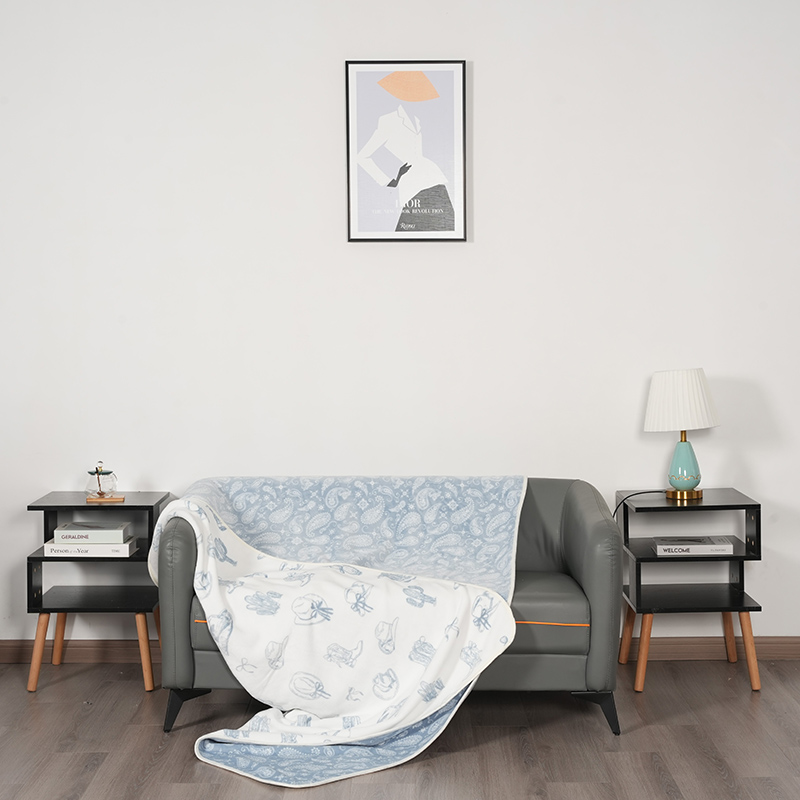 Printed Flannel Fabric with Warm Fleece and Pattern VarietyA printed flannel fabric combining a warm, dense fleece surface with varied patterns, moisture absorption, breathability, and print flexibility for bedrooms and living rooms.View Product →
Printed flannel is often the starting point for these discussions, because the same base fabric can be run with several different prints across a season without changing the rest of the specification. That keeps sampling costs down and makes repeat orders much easier to plan.
Size, Edge Finish and Backing
Sizing is usually driven by the end use rather than by fashion. The dimensions below come up most often in outdoor programs:
- 50 x 60 in: the standard throw, also common for stadium and travel versions
- 60 x 72 in: a two-person stadium blanket, often sold with a carry strap
- 55 x 79 in: a picnic size, sometimes built with a water-resistant backing
- 60 x 80 in: a twin-size blanket used as an extra layer on colder nights
Edge finishing deserves more attention than it usually gets. A bound edge wraps the blanket with a separate binding tape, which protects the cut edge and gives a crisp border that survives frequent folding; a folded edge turns the blanket's own fabric back on itself for a softer, lighter finish. If you are weighing the two for a specific program, this comparison of a folded edge versus a regular blanket finish explains where each one earns its keep.
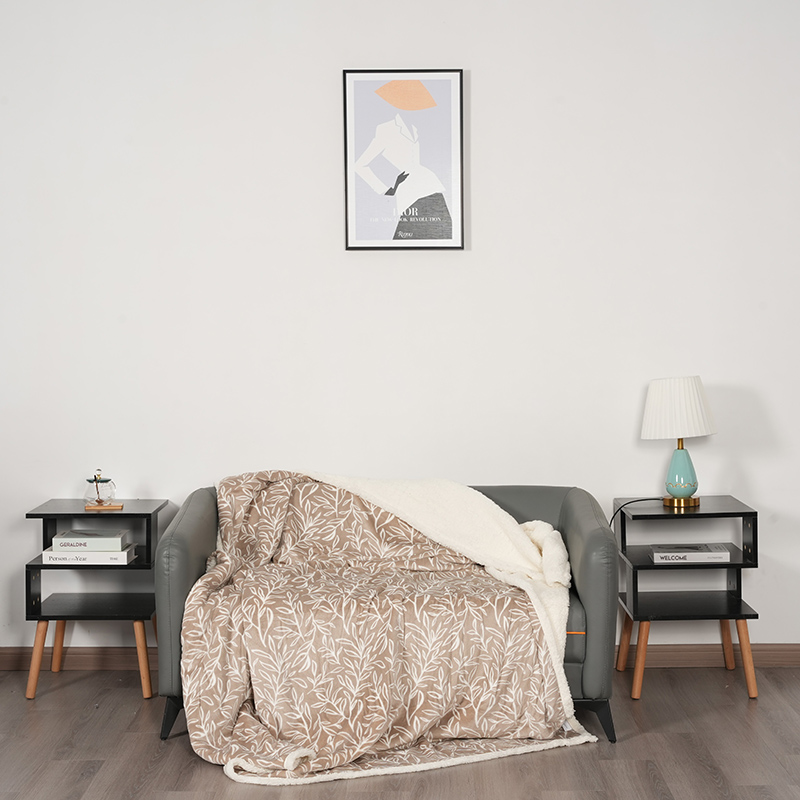 Flannel Double-Layer Blanket for Efficient Cold-Weather WarmthFor cold-weather bedding programs weighing edge and backing details, this double-layered fleece blanket traps still air for efficient warmth while remaining relatively lightweight.View Product →
Backing, straps and corner loops are worth deciding at the same time as the edge. A picnic blanket that will be laid on damp grass usually needs a barrier layer, while a stadium blanket is more likely to need a strap that lets it roll into a compact bundle. Both choices affect the sewing sequence, so they belong in the first sample, not in the bulk order.
Sampling, Minimums and Lead Times
A custom blanket program follows a fairly predictable path once the specification is fixed. The order of operations looks like this:
- Confirm the fabric, weight, size and finishing details in writing.
- Approve a colour reference or lab dip for each fabric colour used.
- Approve a print strike-off or embroidery digitisation before bulk printing.
- Review a pre-production sample in the final fabric, edge and hardware.
- Lock the packaging, carton markings and shipping marks.
- Run bulk production, then inspect and ship against the approved sample.
Timing is the part buyers tend to underestimate. Samples take time even when everything goes smoothly, and print approval is usually the longest step because it depends on both sides being happy with the colour. Retail programs that need to be on a shelf for a spring outdoor season are best started well before the season, not in it.
The Checks That Matter Outdoors
Indoor blankets are judged mostly on softness. Outdoor blankets are judged after they have been washed, folded, left in the sun and sat on. The tests worth asking about are consistent:
- Colour fastness to light and to rubbing, especially on dark and saturated prints
- Dimensional stability after washing, so a 60 x 80 in blanket stays 60 x 80 in
- Pilling and pile loss, which show up quickly on cheap brushed fleece
- Seam and binding strength at the corners and strap attachment points
- Print adhesion, checked by stretching and washing a production sample
- Needle detection across the finished piece before packing
None of this is exotic. It is simply the difference between a blanket that comes back to the store and one that comes back to the customer's car boot every weekend, which is exactly what a personalized product is supposed to do.
Where We Fit In
We are a fleece mill in Shaoxing's China Textile City, producing flannel, coral fleece, polar fleece and similar fabrics all year, and finishing them into blankets, bedding and loungewear. Working from the fabric up means a print or colour change does not have to wait on an outside supplier, and problems show up at the greige stage rather than after the blanket is sewn.
Our customers are mostly supermarkets, importers and cross-border brand owners who need a supplier that can repeat an order accurately. If you would like to see how we usually work with overseas buyers, you can start from our mill in Shaoxing and tell us what you are trying to build.
A personalized outdoor blanket is never just a blanket with a picture on it. It is a fabric choice, a print method, an edge, a size, a strap and a label, all decided before the first bulk metre is cut. Getting those decisions in the right order is what keeps a good idea from turning into a shipment that nobody is happy with, and it is the part of the work we enjoy most.