

 English
  Español
  عربى
عربى We are a national high-tech enterprise. At present, there are many kinds of self-woven and cooperatively processed fabrics, including microfiber warp-knitted towel cloth, weft-knitted towel cloth, coral fleece, etc.

Ultra Soft Fabric Manufacturers
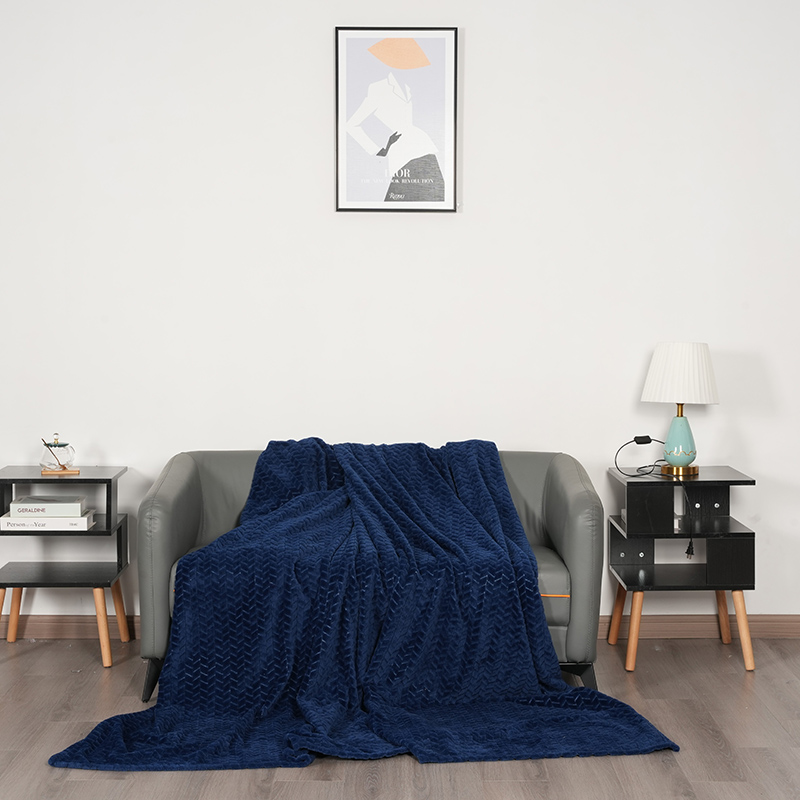
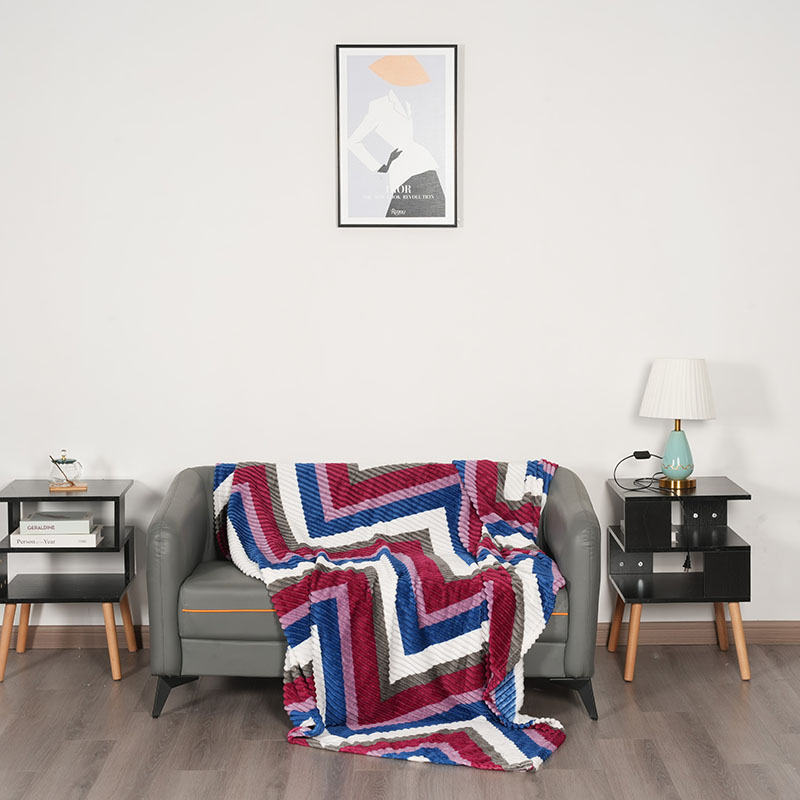
The application scenarios of the ultra-soft fabric are closely centered around the fields that have the highest requirements for "touch sensation" and "safety".
1. High-end maternity and infant products for babies
· Core Application: This is the most classic and primary application scenario for the ultra-soft fabric. It is used to make baby onesies, sleeping bags, swaddling blankets, quilts, and soothing towels, etc. Its "like baby skin" level of softness can provide the gentlest and safest care for newborns, avoiding any irritation to their delicate skin.
2. Skin-friendly home wear and pajamas
· This fabric is used to make high-quality winter and autumn pajamas, home wear and bathrobes for both adults and children. Users who seek the ultimate comfort at home will prefer this material, as it offers a wearing experience like being wrapped in clouds.
3. Luxurious Bedding
As the inner lining or the entire material of a quilt or bed sheet, it offers a "barely clothed" level of touch, significantly enhancing the pleasure and comfort of sleep.
4. High-end plush toys and throw pillows
It is the preferred fabric for many well-known high-end plush toy brands (such as Jellycat), as it offers an unparalleled sense of warmth and soothing touch. It is also used to make luxurious sofa cushions.
5. Soft Blankets
· Produce lightweight and portable blankets and shawls that are suitable for use in air-conditioned environments or in spring and autumn seasons, providing gentle and stress-free warmth.
Product Categories
Recommended Products

Shaoxing DingYi Textile Co., Ltd.
 Contact Us
About Us
Shaoxing DingYi Textile Co., Ltd. is a China Ultra Soft Fabric Manufacturers and Ultra Soft Fabric Factory . And is located in China Textile City,Shaoxing, Zhejiang, mainly for finished products, fabric factory, all year round production of flannel, coral velvet, sherpa and other blankets and fabrics. Adopt assembly line production, have a professional production quality inspection team. Our products are sold all over the world, for long time to supply supermarkets,and we also provide supplies for the brand suppliers of Amazon, the cross-border e-commerce business. We sincerely look forward to cooperating with you and hope that we can work together for win-win cooperation.
Contact Us
Pay attention to our latest news and exhibitions
READ OUR BLOG
-
Apr 06, 2026
Why Should You Choose a Flannel Quilted Duvet Over Regular Duvets?
In modern bedding markets, consumers are no longer satisfied with basic functionality—they expect products that combine comfort, durability, thermal performance, and aesthetic appeal. The Flannel Quilted Duvet has emerged as a preferred choice for both residential users and commercial buyers such as hotels and healthca...
READ MORE -
Mar 31, 2026
What Is a Folded Edge Blanket and Why Is It Better Than Traditional Blankets?
In today’s competitive textile and home furnishing market, product differentiation often lies in details such as craftsmanship, durability, and user comfort. One such innovation that has significantly improved blanket performance is the Folded Edge Blanket. Unlike conventional blankets that rely on simple overlock stit...
READ MORE -
Mar 23, 2026
Folded Edge Blanket: Who Is Actually Paying for the Process, and Who Is Just Using the Label?
What Exactly Does "Folding" Refer to as a Process in a Folded Edge Blanket, and How Does It Differ from Standard Binding? Defining the Folded Edge: A Process Built Into the Fabric Itself When a blanket is described as a folded edge blanket, the term refers to a specific finishing method in which the outer edge of the b...
READ MORE
Ultra Soft Fabric Industry Knowledge
What Is Ultra Soft Fabric and Why Is It So Popular for Bedding?
When you slide into bed at night and feel that immediate sense of warmth and comfort wrapping around you, chances are you have ultra soft fabric to thank. But what exactly makes a fabric "ultra soft," and why has this category of textile become so dominant in the modern bedding market?
Ultra soft fabric is a broad category of textile engineered or processed to achieve an exceptionally smooth, plush, and gentle hand feel against the skin. Unlike standard fabrics that may feel rough or stiff straight off the loom, ultra soft materials are designed from the ground up — or finished with special processes — to maximize tactile comfort. The most common types you will encounter in the bedding world include flannel, coral fleece (also called coral velvet), sherpa, and microfiber. Each of these has its own unique structure and character, but they all share that signature softness that consumers have come to love.
Key Fabric Types Explained
Flannel is one of the oldest and most beloved soft bedding fabrics. It is typically made from cotton, wool, or a synthetic blend, and its characteristic softness comes from a brushing process that raises the fibers on the surface, creating a fine, fuzzy nap. This nap traps air and provides excellent warmth, making flannel sheets and blankets a go-to choice for cooler climates and winter months.
Coral fleece (coral velvet) is a newer innovation that has taken the market by storm. Named for its resemblance to the texture of a coral reef, this fabric is made from polyester microfibers woven at extremely high density. The result is a surface that feels incredibly velvety and smooth, with outstanding moisture-wicking properties and a lightweight warmth that makes it popular for blankets, robes, and throw covers year-round.
Sherpa fabric mimics the look and feel of natural sheepskin or wool fleece. It is typically made from acrylic or polyester fibers constructed to create two distinct sides: one smooth, one with a textured pile that closely resembles natural wool. Sherpa is famously cozy and is often used as the lining of blankets and jackets, delivering unmatched insulation and warmth.
Microfiber fabrics, made from ultra-fine synthetic fibers finer than a strand of silk, are prized for their lightweight breathability and silky hand feel. They dry quickly, resist staining, and are highly durable — all qualities that make them extremely practical for everyday bedding use.
Why Has Ultra Soft Fabric Become So Popular?
The rise of ultra soft fabric in bedding can be attributed to several converging trends. First and foremost is the growing consumer focus on sleep quality. As awareness of the health impacts of good sleep has grown, people have become far more intentional about creating sleep environments that maximize comfort. The bedding industry has responded accordingly, and ultra soft fabrics have become a centerpiece of the "sleep wellness" movement.
There is also the matter of accessibility. Advances in textile manufacturing — particularly in China's textile industry hub in Shaoxing, Zhejiang — have made high-quality soft fabrics available at price points accessible to mainstream consumers. Manufacturers like Shaoxing DingYi Textile Co., Ltd., based in China Textile City, Shaoxing, specialize in the production of flannel, coral velvet, sherpa, and other blankets and fabrics at scale, supplying global retailers, supermarkets, and e-commerce brands with consistent, high-quality products. This kind of industrial capability has democratized luxury softness, allowing consumers worldwide to enjoy premium bedding without the premium price tag.
Additionally, ultra soft fabrics are exceptionally versatile. A well-made ultra soft blanket or set of sheets works well across seasons — light enough not to overheat in mild weather, yet warm and cozy when temperatures drop. This year-round functionality, combined with the sheer sensory pleasure these fabrics offer, has made them a staple in households around the world.
How Do You Choose the Ultra Soft Fabric for Comfort?
Not all soft fabrics are created equal, and with so many options on the market, choosing the right ultra soft fabric for your bedding can feel overwhelming. The good news is that once you understand a few key factors, making the right choice becomes much more straightforward.
Consider Your Climate and Sleep Temperature
The first and perhaps most important factor is your local climate and your personal sleep temperature preferences. If you tend to sleep warm or live in a mild climate, a lightweight microfiber or coral fleece sheet set may be the perfect choice. These fabrics offer softness and a smooth feel without trapping excessive heat, allowing for comfortable, temperature-neutral sleep.
If you live in a colder region or simply love the sensation of snuggling under a warm, heavy blanket, flannel or sherpa is likely a better fit. Flannel sheets retain body heat and feel warm from the first moment you climb in, even on a cold winter night. Sherpa blankets and throws are among the warmest options available, making them ideal for particularly cold climates or for anyone who consistently feels cold at night.
Evaluate Fabric Weight and GSM
When shopping for ultra soft fabric bedding, pay close attention to the GSM (grams per square meter) rating. GSM is a measure of fabric density — the higher the GSM, the heavier and generally warmer the fabric. For lightweight softness and breathability, look for coral fleece or microfiber products in the 180–250 GSM range. For mid-weight warmth suitable for most homes year-round, flannel blankets and throws typically fall in the 280–350 GSM range. For maximum warmth and plushness, sherpa products can reach 400 GSM or higher.
It is worth noting that a higher GSM does not automatically mean better quality — it simply means more fabric per unit area. The quality of the fibers themselves, the weaving or knitting technique, and the finishing processes all play critical roles in determining the actual softness and durability of the end product. This is why sourcing from established, professional manufacturers matters. Companies that operate dedicated production lines with professional quality inspection teams — producing all year round to meet global demand — are able to deliver the consistent standards that consumers and retail brands require.
Match the Fabric to the Use Case
Different ultra soft fabrics excel in different bedding applications. Sheets and pillowcases work best with microfiber and coral fleece — they feel silky and smooth against bare skin, hold their shape after washing, and tend to be more color-fast than natural fiber alternatives. For blankets and throws, flannel, sherpa, and coral velvet all perform well. A lighter coral fleece is ideal for a sofa throw, while a double-sided sherpa provides maximum insulation as a primary bed blanket in cold climates. For comforter covers and duvet shells, ultra soft microfiber is often the fabric of choice — it offers a pleasant tactile experience, is available in a wide variety of prints and patterns, and launders reliably over repeated use.
Look for Reliable Supply and Quality Consistency
For retail buyers, brand suppliers, and even savvy individual consumers ordering in larger quantities, supply chain reliability is a critical consideration. The global bedding market is increasingly served by manufacturers in China's textile manufacturing centers, particularly in Shaoxing's China Textile City — one of the largest textile trading hubs in the world. Shaoxing DingYi Textile Co., Ltd. is a China Ultra Soft Fabric manufacturer and factory that supplies major supermarket chains and Amazon brand vendors across international markets, benefiting from mature supply chains, competitive raw material costs, and decades of accumulated production expertise. When evaluating a fabric supplier, look for assembly line production capabilities and a dedicated quality inspection process — these are hallmarks of manufacturers equipped to deliver consistent softness and durability across large production runs.
Finally, do not overlook certifications and testing standards. Reputable ultra soft fabric products should be tested for harmful substances (look for OEKO-TEX or equivalent certifications), colorfastness, and pilling resistance. These standards protect consumers and serve as an objective indicator of overall manufacturing quality.
How to Care for Ultra Soft Fabric to Keep It Soft Longer?
One of the most common complaints about ultra soft bedding is that it seems to lose some of its signature plushness after repeated washing. The great news is that this deterioration is largely preventable. With the right care routine, you can maintain the lush, velvety feel of your ultra soft fabric bedding for years — potentially extending its lifespan significantly beyond what improper care would allow.
Washing Best Practices
The single most impactful thing you can do to preserve ultra soft fabric is to wash it at the correct temperature. Most soft synthetic fabrics — flannel blends, coral fleece, sherpa, and microfiber — should be washed in cold or cool water (30°C / 86°F or below). Hot water breaks down the fine synthetic fibers that give these fabrics their softness, causing them to become matted, stiff, or pilled over time.
Always use a gentle or delicate wash cycle when laundering ultra soft bedding. The agitation of a standard or heavy-duty wash cycle is unnecessarily harsh on delicate fibers and can cause premature wear. Choose a mild liquid detergent rather than a powder or a detergent formulated for heavy-duty cleaning. Harsh detergents strip the natural or applied finishes from soft fabrics, and powder detergents can leave residue in the fabric pile that makes it feel rough. Use only the recommended amount — excess detergent is difficult to rinse out thoroughly and can build up over time, gradually dulling the softness.
Avoid fabric softener and dryer sheets when caring for coral fleece and microfiber in particular. While it might seem counterintuitive, fabric softeners actually coat the microscopic fibers with a waxy residue that initially makes them feel soft but progressively clogs the fabric structure, reducing both its softness and its moisture-management properties. For truly maintaining the original texture of your ultra soft fabric bedding, skip the softener entirely — the fabric does not need it.
Drying Without Damaging the Fabric
Heat is the primary enemy of ultra soft synthetic fabrics in the dryer. High heat settings will melt or fuse the delicate microfibers that create the plush, velvety surface of coral fleece and similar fabrics, permanently altering their texture. Always tumble dry ultra soft bedding on a low heat or air-dry setting.
For sherpa fabric in particular, remove blankets from the dryer while still slightly damp and allow them to finish air-drying flat. This helps the sherpa pile maintain its lofted, fluffy appearance rather than flattening and matting under prolonged heat and tumbling. You can gently shake or fluff the blanket by hand after drying to help restore the pile.
Air drying is always a safe option for any ultra soft fabric. If drying outdoors, choose a shaded area — direct, intense sunlight can cause color fading in deeply dyed fabrics and may slightly degrade certain synthetic fibers with prolonged exposure. Hang blankets evenly over a clothesline or drying rack to allow for even airflow and to prevent the fabric from stretching out of shape under its own weight when wet.
Storage and Everyday Handling
How you store and handle ultra soft fabric bedding when it is not in use has a significant impact on its long-term condition. Always store soft blankets and throws clean — storing them with body oils, sweat, or other organic residue on the fabric encourages bacterial and mildew growth, which can permanently damage fibers and produce unpleasant odors that are difficult to fully remove.
Store ultra soft bedding loosely folded or rolled in a breathable fabric storage bag or a linen closet shelf. Avoid vacuum-seal storage bags for long-term storage, as compressing the fibers under constant pressure can permanently flatten the pile and reduce that signature plush feel. Similarly, avoid storing heavy items on top of soft fabric bedding, as sustained compression has the same effect.
In daily use, avoid washing ultra soft bedding more frequently than necessary. Over-washing is one of the primary causes of premature fabric wear. For blankets and throws used primarily on top of a made bed for decorative purposes, a wash every three to four weeks is generally sufficient. Bedding that comes into direct, regular skin contact — pillowcases and fitted sheets — should be washed weekly, but this is true of all bedding types regardless of fabric.
Restoring Softness to Worn Fabric
If your ultra soft fabric bedding has already lost some of its original softness through improper washing, all may not be lost. For pilled surfaces, a fabric shaver or lint roller can remove accumulated pilling and help restore a smoother appearance. After removing pilling, wash the item correctly (cold water, gentle cycle, no softener) and tumble dry on low — this can often revive a significant portion of the original softness.
For sherpa fabric that has become matted and flat, try gently brushing the dry fabric with a soft-bristle pet brush or a dedicated fabric brush. This technique separates the fibers and can significantly restore the fluffy, lofted texture of the pile.
It is worth noting that the long-term durability and washability of any soft fabric product begins with the manufacturing process itself. High-quality production — including the selection of premium fiber inputs, precision weaving, and rigorous finishing — creates a fabric with resilient softness that is much easier to maintain at home. This is why sourcing bedding from reputable manufacturers with dedicated quality inspection processes matters not just at the point of purchase, but across the full lifetime of the product.
Whether you are outfitting a bedroom for personal comfort, sourcing product for a retail brand, or building an e-commerce bedding business, understanding the characteristics, selection criteria, and care requirements of ultra soft fabric gives you a genuine advantage. The right fabric, chosen wisely and cared for properly, can deliver years of exceptional comfort — and make every night's sleep feel like a luxury experience.

-

3rd Floor, Building 4, Zhongsu Packaging, No. 301 Tanggong Road, Yuecheng District, Shaoxing City, Zhejiang Province
-

+86-13456572618
-

client
Copyright © Shaoxing DingYi Textile Co., Ltd. Rights Reserved

