

 English
  Español
  عربى
عربى We are a national high-tech enterprise. At present, there are many kinds of self-woven and cooperatively processed fabrics, including microfiber warp-knitted towel cloth, weft-knitted towel cloth, coral fleece, etc.
Content
In modern bedding markets, consumers are no longer satisfied with basic functionality—they expect products that combine comfort, durability, thermal performance, and aesthetic appeal. The Flannel Quilted Duvet has emerged as a preferred choice for both residential users and commercial buyers such as hotels and healthcare facilities. Compared with regular duvets made from standard cotton or polyester fabrics, flannel quilted duvets provide enhanced warmth, better structural stability, and a more luxurious sleeping experience.
What Makes a Flannel Quilted Duvet Different?
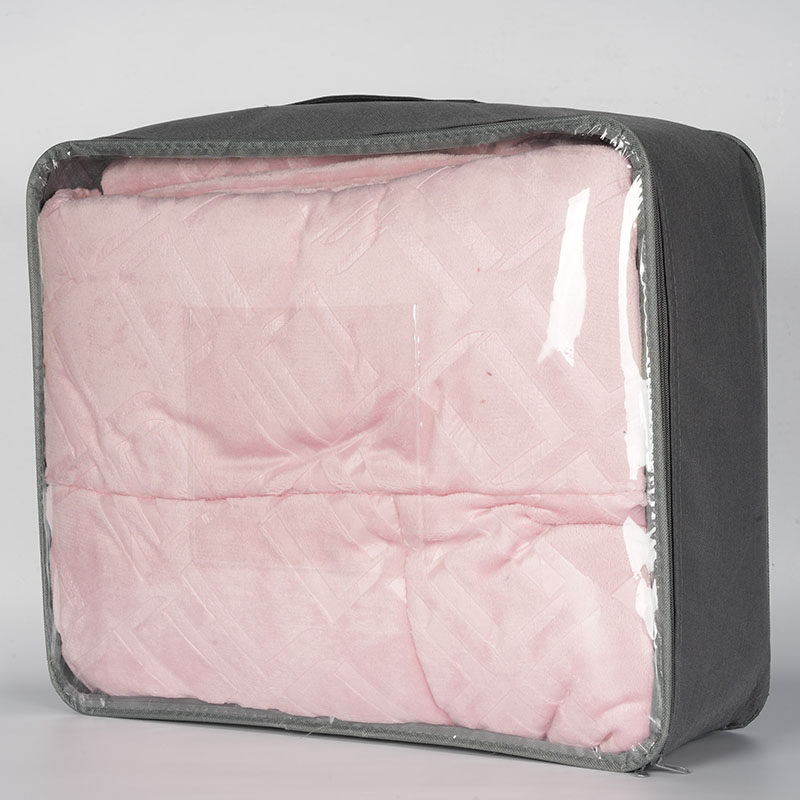
A Flannel Quilted Duvet stands out primarily due to its unique combination of brushed flannel fabric and quilted construction. Flannel is produced through a brushing process that raises fine fibers on the fabric surface, creating a soft and fuzzy texture. This structure helps trap air, forming a natural insulating layer that significantly improves heat retention. Unlike smooth cotton or polyester fabrics, flannel provides immediate warmth upon contact, making it particularly suitable for colder climates and winter seasons.
The quilting aspect further enhances the product’s performance. By stitching the fabric in a patterned manner—such as squares, diamonds, or channels—the filling inside the duvet is evenly distributed and securely held in place. This prevents shifting, clumping, or uneven thickness, which are common issues in regular duvets over time.
Material Composition and Structure
Flannel quilted duvets are typically made using a variety of materials depending on the target market and application. The outer layer is usually cotton flannel or polyester flannel, while the inner filling may include polyester fiber, microfiber, cotton blends, or down alternatives. This combination ensures a balance between softness, durability, and cost-effectiveness.
Key Differentiators
- Brushed flannel surface for superior softness and warmth
- Quilted stitching for consistent filling distribution
- Enhanced insulation compared to smooth fabric duvets
- Improved durability due to reinforced construction
These characteristics make flannel quilted duvets particularly suitable for high-demand environments where both comfort and longevity are essential.
Key Advantages Over Regular Duvets
1. Superior Warmth and Thermal Insulation
One of the most significant advantages of a flannel quilted duvet is its exceptional ability to retain heat. The brushed fibers of flannel create tiny air pockets that trap body heat efficiently, forming a natural insulating barrier. This feature allows users to stay warm even in low-temperature environments without the need for excessively heavy bedding.
In contrast, regular duvets rely mainly on internal filling for insulation. While they may provide adequate warmth under moderate conditions, they often fall short in colder climates. The lack of a heat-retaining outer layer means that warmth can dissipate more quickly, leading to a less comfortable sleeping experience.
For commercial buyers such as hotels in colder regions, this enhanced thermal performance translates into improved guest satisfaction and reduced need for additional blankets.
2. Enhanced Comfort and Skin-Friendly Experience
Comfort is a critical factor in bedding selection, and flannel quilted duvets excel in this regard. The soft, brushed surface provides a gentle and cozy feel against the skin, eliminating the cold touch often associated with regular cotton or polyester duvets. This immediate warmth creates a more inviting sleep environment.
Additionally, flannel is less likely to cause irritation, making it suitable for sensitive skin. This is especially important in healthcare settings or for individuals such as children and the elderly, who require extra care and comfort.
The quilted structure also contributes to comfort by maintaining uniform thickness throughout the duvet, ensuring consistent support and warmth.
3. Better Filling Stability and Even Distribution
The quilting process divides the duvet into multiple compartments, each holding a portion of the filling securely in place. This design prevents the filling from shifting or clumping, which is a common issue in non-quilted or poorly constructed duvets.
Over time, regular duvets may develop uneven areas, resulting in cold spots and reduced thermal efficiency. Flannel quilted duvets eliminate this problem by maintaining even distribution, ensuring that the user experiences consistent warmth across the entire surface.
This feature is particularly beneficial in commercial applications where durability and consistent performance are essential.
4. Increased Durability and Long-Term Value
Flannel quilted duvets are designed to withstand frequent use and repeated washing. The combination of strong flannel fabric and reinforced stitching enhances resistance to wear and tear. Even after multiple laundering cycles, the duvet retains its shape, softness, and functionality.
Regular duvets, especially those with basic stitching, may degrade more quickly, leading to higher replacement costs over time. In contrast, flannel quilted duvets offer a longer service life, making them a cost-effective investment for both individual consumers and bulk buyers.
5. Balanced Breathability and Moisture Control
While flannel is known for its warmth, it also offers a balanced level of breathability. This allows moisture and excess heat to escape, preventing overheating during sleep. The result is a stable and comfortable sleeping environment that adapts to body temperature fluctuations.
Regular duvets may either retain too much heat or fail to provide sufficient insulation, depending on the material used. Flannel quilted duvets strike an optimal balance, making them suitable for a wide range of conditions.
Flannel Quilted Duvet vs. Regular Duvet
| Feature | Flannel Quilted Duvet | Regular Duvet |
|---|---|---|
| Outer Material | Brushed flannel | Cotton or polyester |
| Thermal Insulation | High (air-trapping fibers) | Moderate |
| Comfort Level | Soft, warm, skin-friendly | Varies by material |
| Filling Stability | Excellent (quilted design) | Prone to shifting |
| Durability | Long-lasting | Average |
Ideal Applications of Flannel Quilted Duvets
Flannel quilted duvets are widely used across various industries due to their superior performance and versatility. Their ability to provide warmth, comfort, and durability makes them suitable for both personal and commercial use.
Common Application Scenarios
- Home Use: Ideal for bedrooms during autumn and winter, especially in colder regions.
- Hospitality Industry: Hotels and resorts use them to enhance guest comfort and perceived quality.
- Healthcare Facilities: Hospitals benefit from their softness and thermal efficiency for patient care.
- Dormitories and Apartments: Durable enough for frequent use and washing.
In addition, they are also suitable for transportation sectors such as airlines and railways, where consistent quality and durability are required.
Choosing a Flannel Quilted Duvet over regular duvets offers clear advantages in terms of warmth, comfort, durability, and overall performance. The combination of brushed flannel fabric and quilted construction creates a product that not only meets but exceeds modern expectations for bedding quality.
Although the initial cost may be slightly higher, the long-term benefits—such as reduced replacement frequency and improved user satisfaction—make it a highly cost-effective solution. Whether for home use or large-scale commercial applications, flannel quilted duvets provide a reliable and premium bedding option.
FAQ
1. Are flannel quilted duvets suitable for year-round use?
They are best suited for colder seasons, but in cooler climates or air-conditioned environments, they can be used throughout the year.
2. How should I wash a flannel quilted duvet?
Use mild detergent, wash in cold or warm water, and avoid high-temperature drying to preserve softness and structure.
3. Are flannel quilted duvets heavy?
They are slightly heavier than regular duvets due to their construction, which contributes to their warmth and comfort.
4. What fillings are commonly used?
Common fillings include polyester fiber, microfiber, cotton blends, and down alternatives.
5. Why are they popular in hotels?
They offer superior comfort, durability, and a premium feel, enhancing the overall guest experience.
References
- Textile Research Journal – Thermal Properties of Brushed Fabrics
- ISO 6330 – Textile Washing and Drying Standards
- AATCC Fabric Testing Standards
- Journal of Industrial Textiles – Quilting and Durability Studies