

 English
  Español
  عربى
عربى We are a national high-tech enterprise. At present, there are many kinds of self-woven and cooperatively processed fabrics, including microfiber warp-knitted towel cloth, weft-knitted towel cloth, coral fleece, etc.

Flannel Fabric Manufacturers
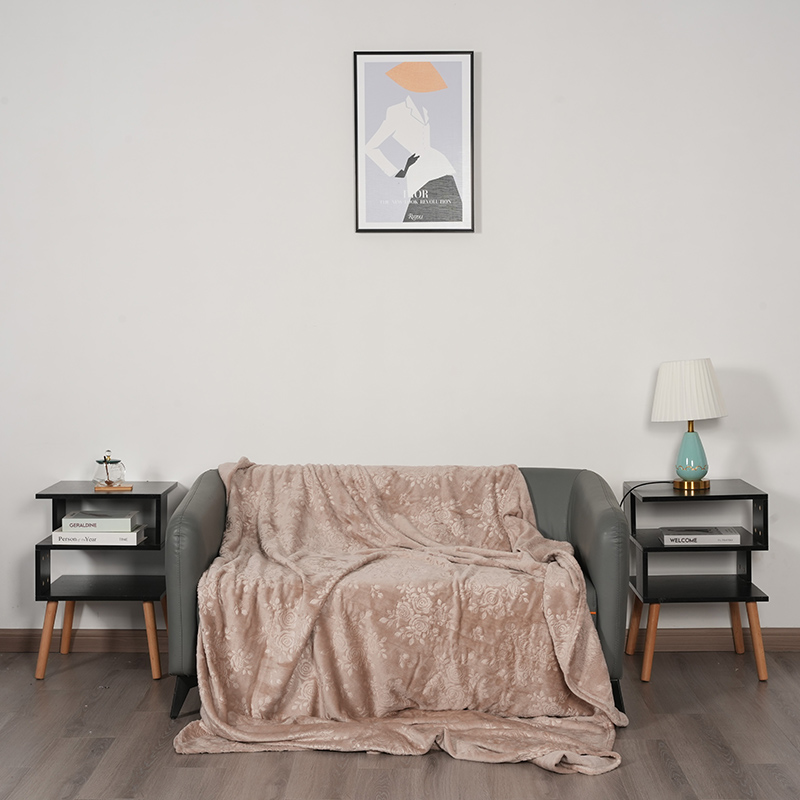
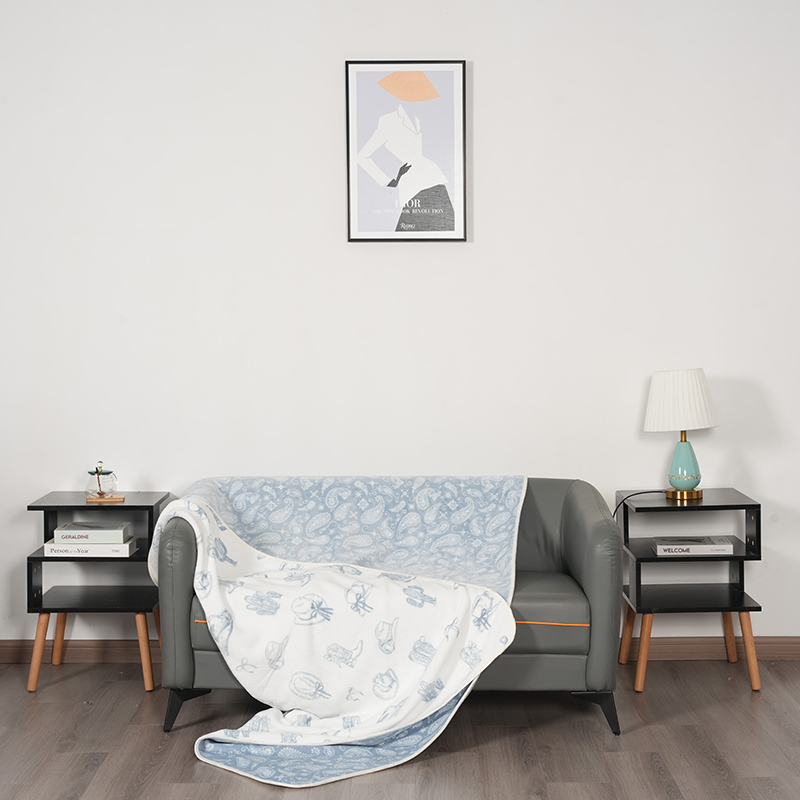
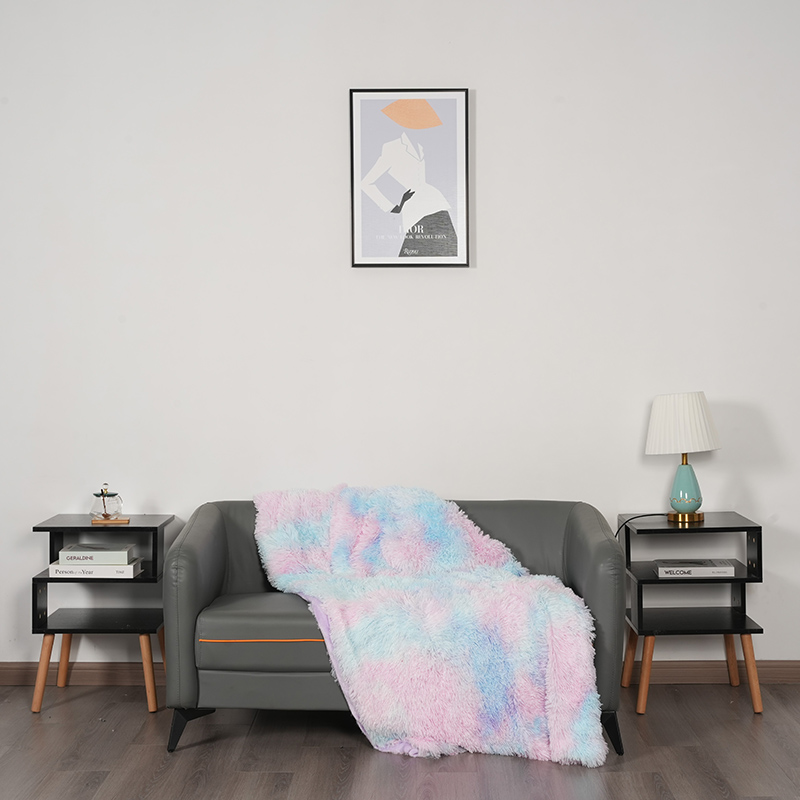
Flannel has an extremely wide range of applications, mainly revolving around its two key characteristics: "warmth" and "softness".
1. The bedding and apparel sector
· Winter and Spring Bed Sheets and Blankets: This is the most classic application. Flannel bed sheets and blankets offer a "instant warmth upon lying down" experience, completely eliminating the cold sensation. They are the sleeping essentials for the winter and spring seasons.
· Blankets and Cushion Blankets: Whether used as an additional layer of warmth on the bed or as a casual cover on the sofa, flannel can provide an excellent sense of enclosure and warmth.
2. Home Apparel Sector
· Sleepwear and pajamas: The soft and comfortable texture of the flannel makes it an ideal material for making winter sleepwear and pajamas, providing all-day comfort at home.
· Pajamas/Bathrobes: Worn after bathing, they can quickly absorb moisture and provide immediate warmth.
3. The field of daily clothing
· Shirt: The classic checked flannel shirt is a quintessential piece of casual fashion, combining elegance with warmth.
· Pants and skirts: Used to make casual pants and skirts for the autumn and winter seasons, providing a warm and comfortable wearing experience.
· Baby clothing: Due to its extremely soft texture and low skin irritation, it is often used to make baby onesies, pajamas, and swaddling blankets.
Product Categories
Recommended Products


Shaoxing DingYi Textile Co., Ltd.
 Contact Us
About Us
Shaoxing DingYi Textile Co., Ltd. is a China Flannel Fabric Manufacturers and Flannel Fabric Factory . And is located in China Textile City,Shaoxing, Zhejiang, mainly for finished products, fabric factory, all year round production of flannel, coral velvet, sherpa and other blankets and fabrics. Adopt assembly line production, have a professional production quality inspection team. Our products are sold all over the world, for long time to supply supermarkets,and we also provide supplies for the brand suppliers of Amazon, the cross-border e-commerce business. We sincerely look forward to cooperating with you and hope that we can work together for win-win cooperation.
Contact Us
Pay attention to our latest news and exhibitions
READ OUR BLOG
-
Apr 06, 2026
Why Should You Choose a Flannel Quilted Duvet Over Regular Duvets?
In modern bedding markets, consumers are no longer satisfied with basic functionality—they expect products that combine comfort, durability, thermal performance, and aesthetic appeal. The Flannel Quilted Duvet has emerged as a preferred choice for both residential users and commercial buyers such as hotels and healthca...
READ MORE -
Mar 31, 2026
What Is a Folded Edge Blanket and Why Is It Better Than Traditional Blankets?
In today’s competitive textile and home furnishing market, product differentiation often lies in details such as craftsmanship, durability, and user comfort. One such innovation that has significantly improved blanket performance is the Folded Edge Blanket. Unlike conventional blankets that rely on simple overlock stit...
READ MORE -
Mar 23, 2026
Folded Edge Blanket: Who Is Actually Paying for the Process, and Who Is Just Using the Label?
What Exactly Does "Folding" Refer to as a Process in a Folded Edge Blanket, and How Does It Differ from Standard Binding? Defining the Folded Edge: A Process Built Into the Fabric Itself When a blanket is described as a folded edge blanket, the term refers to a specific finishing method in which the outer edge of the b...
READ MORE
Flannel Fabric Industry Knowledge
Flannel Fabric Treatments: Anti-Static, Anti-Pilling, and Anti-Shrinkage
Flannel Fabric Characteristics
Flannel is a soft and warm textile commonly used for bed sheets, blankets, and apparel. Shaoxing DingYi Textile Co., Ltd., located in China Textile City, Shaoxing, Zhejiang, produces flannel fabrics all year round with a focus on consistent texture and quality. The fabric is woven to provide a gentle surface while maintaining structural integrity. Understanding the characteristics of flannel is essential when applying specific treatments such as anti-static, anti-pilling, and anti-shrinkage processes.
Anti-Static Treatment for Flannel
Flannel, especially in dry conditions, can generate static electricity, which may attract dust and reduce user comfort. Anti-static treatment is a process where chemical agents or conductive fibers are applied to the fabric surface to reduce static accumulation. Shaoxing DingYi Textile incorporates controlled finishing techniques that can integrate anti-static properties without significantly altering the natural softness of the fabric. This treatment can improve overall user experience, particularly in dry or low-humidity environments.
Anti-Pilling Treatment for Flannel
Pilling occurs when short fibers on the fabric surface tangle into small balls after repeated friction. Flannel, due to its soft fibers, may be prone to pilling over time. Anti-pilling treatment involves mechanical finishing, chemical coating, or enzyme-based processes that help anchor fibers more securely to the fabric structure. Shaoxing DingYi Textile can apply these treatments to reduce the formation of pills, thereby maintaining the smoothness and appearance of flannel fabrics over multiple washes.
Anti-Shrinkage Treatment for Flannel
Shrinkage is a common concern for cotton-based flannel fabrics during washing or drying. Anti-shrinkage treatment involves stabilizing the fibers through resin finishing or heat-setting techniques to minimize dimensional changes. Fabrics produced by Shaoxing DingYi Textile are compatible with these treatments, ensuring that flannel maintains consistent size and shape after repeated laundering. This allows manufacturers and end-users to rely on predictable fabric dimensions for product manufacturing and daily use.
Comparison of Treatment Effects
| Treatment Type | Purpose | Impact on Fabric Feel | Recommended Use |
| Anti-Static | Reduce static electricity | Minimal change, maintains softness | Low-humidity environments, bedding, clothing |
| Anti-Pilling | Prevent fiber balls on surface | Slightly firmer, surface smoothness preserved | Frequent use fabrics, bed sheets, blankets |
| Anti-Shrinkage | Control dimensional change | Softness maintained, fabric structure stabilized | Garments and bedding requiring consistent size |
Integration of Multiple Treatments
Flannel fabrics can undergo multiple treatments simultaneously. For example, combining anti-pilling and anti-shrinkage processes can result in fabrics that maintain their appearance and size over time. Shaoxing DingYi Textile has the capability to tailor these finishing processes according to client specifications while ensuring that the overall softness and warmth of flannel remain consistent. Careful monitoring of chemical applications and mechanical finishing is crucial to balance functional performance and tactile quality.
Maintenance Considerations After Treatment
Treated flannel fabrics still require appropriate care to maximize the effectiveness of anti-static, anti-pilling, and anti-shrinkage properties. Gentle washing with mild detergents, avoiding harsh bleaching agents, and moderate drying help maintain the treated properties. Shaoxing DingYi Textile advises customers to follow recommended care instructions to prolong fabric lifespan and preserve the benefits of applied treatments.
Environmental and Safety Aspects
The treatments applied to flannel fabrics should comply with safety and environmental standards. Chemicals used for anti-pilling, anti-static, or anti-shrinkage treatments are selected to minimize residuals and avoid potential skin irritation. Shaoxing DingYi Textile ensures that their finishing processes adhere to regulations, making the treated fabrics suitable for various end uses, including bedding for sensitive skin.
FAQ
Q: How does the finishing process of flannel fabric affect its softness and durability?
A: Flannel fabrics produced by Shaoxing DingYi Textile undergo precise finishing processes that control fiber alignment and surface texture. These processes enhance fabric softness while maintaining structural strength, allowing the material to remain comfortable and resilient even after repeated use and washing.
Q: Can flannel fabrics be treated to reduce pilling and shrinkage?
A: Yes, flannel fabrics can receive anti-pilling and anti-shrinkage treatments. Shaoxing DingYi Textile applies mechanical and chemical finishing techniques that help secure fibers and stabilize fabric dimensions, preserving smoothness and size over time without compromising comfort.
Q: What factors influence the breathability and warmth of flannel fabrics?
A: The thickness, weave density, and fiber type all affect how flannel fabric regulates temperature. Shaoxing DingYi Textile produces flannel with varying densities to balance warmth and air circulation, making it suitable for both bedding and apparel applications across different climates.
Q: How does flannel fabric perform for sensitive skin or children?
A: Flannel from Shaoxing DingYi Textile is processed to remove residual chemicals and maintain gentle fiber surfaces. This helps minimize skin irritation and makes the fabric appropriate for use in bedding and garments for children or individuals with sensitive skin.
Q: Are there specific maintenance practices to preserve the quality of flannel fabrics?
A: Regular care includes washing with mild detergents, avoiding high heat drying, and minimal use of harsh chemicals. Following these practices ensures that flannel retains its softness, appearance, and functional treatments over extended use.
Q: How does the fiber source affect the performance of flannel fabric?
A: Flannel can be made from cotton or cotton blends. Shaoxing DingYi Textile carefully selects fibers with consistent length and quality, which enhances softness, durability, and the ability to withstand finishing treatments like anti-static or anti-pilling processes.
Q: Can flannel fabrics be customized for different applications?
A: Yes, Shaoxing DingYi Textile offers customization in fabric weight, color, and finishing treatments to meet diverse client requirements. This flexibility allows flannel to be used in blankets, bed sheets, apparel, and other products while maintaining desired performance characteristics.

-

3rd Floor, Building 4, Zhongsu Packaging, No. 301 Tanggong Road, Yuecheng District, Shaoxing City, Zhejiang Province
-

+86-13456572618
-


