

 English
  Español
  عربى
عربى We are a national high-tech enterprise. At present, there are many kinds of self-woven and cooperatively processed fabrics, including microfiber warp-knitted towel cloth, weft-knitted towel cloth, coral fleece, etc.

Bound Edge Duvet Manufacturers
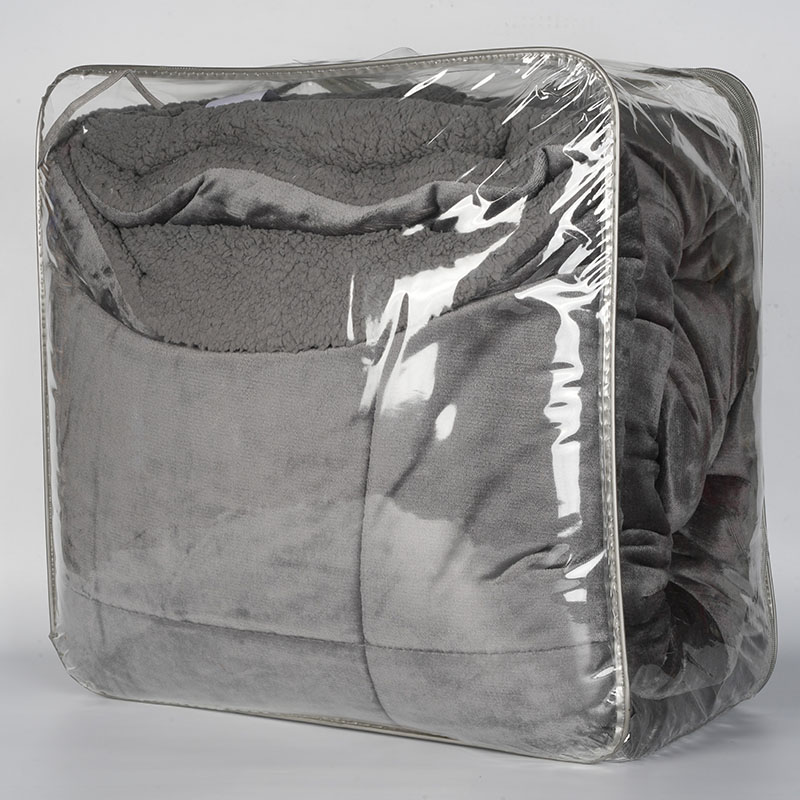
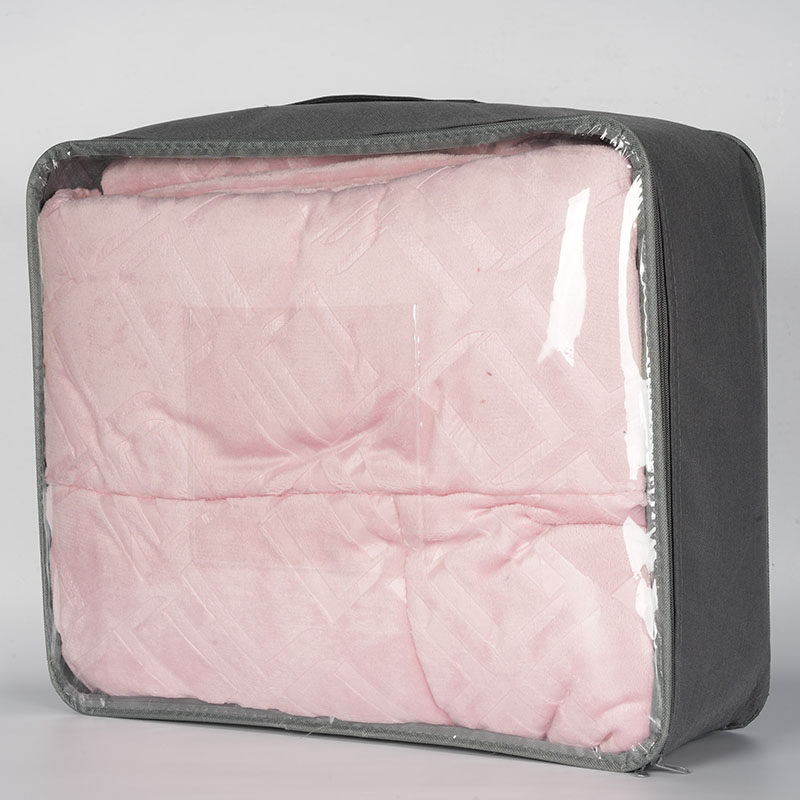
The Bound Edge Duvet is a high-quality bedding product designed specifically for the fall and winter seasons, emphasizing convenience, comfort, and a premium feel.
As a staple duvet for fall and winter, the Bound Edge Duvet's core function is to provide warmth and comfort during the colder months. It's typically designed as a one-piece duvet cover, simplifying usage and allowing users to simply remove it and use it directly without any additional preparation, making it a perfect fit for those who prioritize efficiency and convenience.
The addition of a binding process not only enhances the overall quality of the product but also makes it appear more upscale than ordinary flannel duvet covers. The delicate folding of the edges not only enhances its aesthetics but also increases its durability and comfort. It's ideal for consumers who value a comfortable home and pursue a high-quality lifestyle, offering a refined and cozy home experience.
The Bound Edge Duvet eliminates the hassle of removing and washing the duvet cover, making it particularly suitable for young people, busy families, or those in settings requiring frequent cleaning (such as hotels and rental apartments). This integrated design makes bedding management easier and significantly improves efficiency.
Product Categories
Recommended Products

Shaoxing DingYi Textile Co., Ltd.
 Contact Us
About Us
Shaoxing DingYi Textile Co., Ltd. is a China Bound Edge Duvet Manufacturers and Bound Edge Duvet Factory . And is located in China Textile City,Shaoxing, Zhejiang, mainly for finished products, fabric factory, all year round production of flannel, coral velvet, sherpa and other blankets and fabrics. Adopt assembly line production, have a professional production quality inspection team. Our products are sold all over the world, for long time to supply supermarkets,and we also provide supplies for the brand suppliers of Amazon, the cross-border e-commerce business. We sincerely look forward to cooperating with you and hope that we can work together for win-win cooperation.
Contact Us
Pay attention to our latest news and exhibitions
READ OUR BLOG
-
Apr 06, 2026
Why Should You Choose a Flannel Quilted Duvet Over Regular Duvets?
In modern bedding markets, consumers are no longer satisfied with basic functionality—they expect products that combine comfort, durability, thermal performance, and aesthetic appeal. The Flannel Quilted Duvet has emerged as a preferred choice for both residential users and commercial buyers such as hotels and healthca...
READ MORE -
Mar 31, 2026
What Is a Folded Edge Blanket and Why Is It Better Than Traditional Blankets?
In today’s competitive textile and home furnishing market, product differentiation often lies in details such as craftsmanship, durability, and user comfort. One such innovation that has significantly improved blanket performance is the Folded Edge Blanket. Unlike conventional blankets that rely on simple overlock stit...
READ MORE -
Mar 23, 2026
Folded Edge Blanket: Who Is Actually Paying for the Process, and Who Is Just Using the Label?
What Exactly Does "Folding" Refer to as a Process in a Folded Edge Blanket, and How Does It Differ from Standard Binding? Defining the Folded Edge: A Process Built Into the Fabric Itself When a blanket is described as a folded edge blanket, the term refers to a specific finishing method in which the outer edge of the b...
READ MORE
Bound Edge Duvet Industry Knowledge
How Does a Bound Edge Duvet Improve Durability and Comfort?
Every element of a duvet's construction contributes to how it performs, how long it lasts, and how comfortable it feels in daily use. Among the design details that make the most meaningful difference, the edge finish is one that is often overlooked by consumers yet it is one of the first places where a duvet begins to show its age. A bound edge duvet addresses this vulnerability directly, reinforcing the perimeter of the product in a way that improves both its structural lifespan and the tactile experience it delivers.
A bound edge duvet is a bedding product whose outer edges are finished with a separate strip of fabric typically a folded binding tape or ribbon that is stitched over the raw seam where the top and bottom shells meet. Rather than simply folding the shell fabric over itself and stitching it closed (the standard method used in most basic duvets), the bound edge technique wraps the perimeter in an additional layer of material that reinforces the seam, protects the fill from escaping at the edges, and gives the finished product a clean, polished look. This single construction detail has a surprisingly significant impact on both how the duvet holds up over time and how it feels in use.
Structural Reinforcement at the Most Vulnerable Point
The edges of any duvet are the points of greatest mechanical stress. Every time the duvet is pulled across the bed, shaken out, bundled into a washing machine, or pushed to one side during sleep, the perimeter seams absorb the tension. In a standard duvet with a simple folded-and-sewn edge, this repeated stress gradually weakens the seam. The shell fabric frays from the inside out, the stitching loosens, and small gaps begin to appear gaps through which fill material slowly escapes. This is the familiar problem of finding small clusters of polyester fiberfill or wisps of down on the sheets and pillowcases, a sign that the duvet's edges are beginning to fail.
A bound edge duvet effectively eliminates this failure mode. The binding tape distributes mechanical stress across a wider area of fabric rather than concentrating it at a single stitched seam. The additional layer of material at the edge acts as a buffer, absorbing the tension that would otherwise degrade the primary seam. The result is a perimeter that remains structurally sound through many more wash cycles and years of use than an equivalent unbound duvet edge could withstand. For consumers who expect their bedding to perform consistently over an extended period, this reinforcement is a genuine and measurable benefit.
Fill Containment and Warmth Consistency
Beyond structural reinforcement, the bound edge construction significantly improves fill containment. The binding creates a sealed, layered barrier at the perimeter that is far more effective at retaining fill material than a simple sewn seam. This matters particularly in the corners and along the long edges of the duvet, where fill tends to migrate under pressure and where edge failures typically begin.
Effective fill containment means that the insulating material stays where it was placed during manufacturing evenly distributed across the duvet's surface, right up to the edges. A duvet that loses fill at its perimeter over time develops cold spots along the edges, which is precisely the area most likely to be in contact with the sleeper's shoulders and arms. A well-made bound edge duvet maintains its warmth profile across the entire surface throughout its lifespan, delivering the consistent thermal comfort that makes a real difference to sleep quality on cold nights.
The Tactile and Aesthetic Benefits of Bound Edges
Durability and thermal performance are the functional arguments for bound edge construction, but comfort is experienced as much through touch and appearance as through warmth alone. The bound edge of a well-made duvet has a noticeably different feel compared to a plain sewn edge. The binding creates a slightly raised, defined border that is smooth and rounded to the touch, without the thin, slightly sharp profile of a standard folded seam. When the edge of the duvet rests against the skin along the neck, across the chest, or under the chin this softened, padded border is perceptibly more comfortable than an unfinished or minimally finished edge.
Visually, the bound edge gives the duvet a finished, intentional appearance. The binding tape is often selected in a complementary or contrasting color or texture to the shell fabric, adding a decorative detail that elevates the overall aesthetic of the product. Many consumers who use their duvet as a visible layer in their bedroom styling rather than concealing it entirely inside a cover find that the bound edge detail contributes meaningfully to the polished, quality look they are seeking. In the same way that a well-tailored jacket is distinguished by the quality of its finishing details, a bound edge duvet signals craftsmanship and attention to quality that goes beyond the basics.
Performance Through Repeated Washing
One of the most practical tests of any bedding product is how it performs after repeated washing. Duvets accumulate body oils, perspiration, and allergens over time and need to be laundered regularly to maintain hygiene. The washing process is hard on seams the combination of water, detergent, mechanical agitation, and heat puts significant stress on every stitched joint in the product. Standard duvet edges frequently begin to deteriorate noticeably after ten to fifteen wash cycles, with fraying, loosening stitches, and fill leakage becoming progressively worse with each subsequent wash.
Bound edge construction is substantially more resilient to this washing stress. The multiple layers of material at the edge binding tape over shell fabric, secured by two or more lines of stitching create a seam that is far better equipped to withstand repeated laundering. Manufacturers who invest in quality binding materials and precise stitching during production deliver a product that emerges from twenty, thirty, or more wash cycles looking and performing close to its original condition. This wash durability is a key reason why bound edge duvets are favored by hospitality businesses, healthcare providers, and other institutional buyers who launder bedding at high frequency and it is equally valuable to household consumers who simply want their bedding investment to last.
What Is the Difference Between a Bound Edge Duvet and a Regular Duvet?
To fully appreciate what a bound edge duvet offers, it helps to compare it directly against a standard duvet examining the differences in construction, performance, longevity, and overall value. The two product types can appear superficially similar on the shelf, but the distinctions become clear on closer inspection and grow more significant over time.
Edge Construction: The Core Distinction
The most fundamental difference between the two product types is, as the name suggests, the edge treatment. A regular duvet is most commonly finished with a simple turned edge: the raw edges of the top and bottom shell fabrics are folded inward and stitched together, creating a flat seam around the perimeter. In some slightly higher-end standard duvets, a small flange or piped edge may be added, but neither of these techniques provides the structural reinforcement of a true bound edge finish.
A bound edge duvet replaces this simple seam with a fabric binding that wraps over and around the perimeter, encasing the raw edges completely. This binding is then secured with at least two parallel rows of stitching one along the inner edge of the binding and one along the outer edge creating a multi-layer, multi-stitch seam construction that is fundamentally more robust than anything achievable with a simple fold-and-stitch method. The binding material itself is typically a tightly woven ribbon, cotton tape, or coordinating fabric cut on the bias, all of which are chosen for their resistance to stretching and fraying under stress.
Durability Over Time
The difference in edge construction translates directly into a difference in how the two product types age. A standard duvet in regular household use typically begins showing edge wear loose threads, minor fraying, small gaps in the seam within one to two years of regular use and washing. Over three to five years, this deterioration becomes significant, with fill leakage and seam separation becoming persistent problems that compromise both the duvet's warmth and its appearance.
A well-constructed bound edge duvet, by contrast, can maintain its edge integrity for significantly longer under the same conditions. The reinforced perimeter simply has more material and more stitching to wear through before structural failure begins. For consumers calculating the true cost of their bedding over time accounting for replacement frequency as well as initial purchase price the bound edge duvet often represents the more economical choice despite a potentially higher upfront cost.
Fill Security and Warmth Profile
A regular duvet, particularly one filled with synthetic fiberfill, gradually loses fill material through its edges as the seams weaken. This loss is often imperceptible in the early stages a few loose fibers here and there but accelerates as the edge construction deteriorates. The cumulative effect is a duvet that becomes progressively thinner and less warm at its perimeter over time, developing the characteristic cold-edge problem that many sleepers recognize without necessarily understanding its cause.
Because the bound edge construction maintains seam integrity far more effectively, fill loss is minimized throughout the product's life. The warmth profile of a bound edge duvet remains essentially consistent from purchase to retirement the edges stay as warm as the center, and the total fill weight is preserved rather than gradually dispersed across the bedroom floor and into the washing machine filter. This fill security is one of the most directly comfort-relevant benefits of the bound edge design.
Appearance and Perceived Quality
There is also a visible difference in how the two product types present themselves. A standard duvet with a plain sewn edge has a relatively anonymous, functional appearance. The edge is present but unremarkable it closes the product and nothing more. A bound edge duvet, particularly one where the binding has been thoughtfully selected to complement or contrast the shell fabric, has a clearly more refined appearance. The defined border frames the duvet visually, giving it a structured, finished look that reads as quality to anyone handling or inspecting the product.
This perception of quality matters in commercial contexts. Retailers and hospitality buyers understand that the visual impression a product makes influences purchasing decisions and guest satisfaction. Manufacturers supplying the global bedding market including producers based in China's textile manufacturing heartland in Shaoxing, Zhejiang, such as Shaoxing DingYi Textile Co., Ltd., which operates as a professional bound edge duvet manufacturer and factory supplying supermarkets and international e-commerce brands invest in bound edge finishing precisely because it communicates quality and durability in a way that is immediately apparent to buyers and end users alike.
Price Point and Value Positioning
Bound edge duvets typically sit at a slightly higher price point than basic standard duvets at equivalent fill weights and shell fabric quality. The binding material, the additional stitching passes required, and the extra production time all add modest but real costs to the manufacturing process. However, when evaluated on a cost-per-year-of-use basis rather than a simple purchase price comparison, the bound edge duvet frequently delivers equal or better value by virtue of its superior durability. A duvet that lasts five to seven years with consistent performance represents better value than one that needs replacing every two to three years, even if the latter carries a lower initial price tag.
Which Bound Edge Duvet Is Best for Different Sleeping Needs?
The bound edge construction principle can be applied across a wide range of duvet specifications different shell fabrics, fill materials, warmth ratings, and sizes. Understanding which combination of these variables best suits your individual sleeping needs is the key to selecting a bound edge duvet that will deliver genuine long-term satisfaction.
For Cold Sleepers and Winter Use: Heavyweight Flannel Shell Options
For sleepers who consistently feel cold at night, or for those in climates with harsh winters, a heavyweight bound edge duvet with a flannel shell is an outstanding choice. Flannel a fabric made by brushing woven cotton, wool, or synthetic material to raise a fine, soft nap on the surface provides immediate tactile warmth from the moment it contacts the skin. Unlike smooth cotton percale, which can feel cool to the touch, flannel warms quickly and retains heat effectively, making it particularly well suited to winter bedding.
Paired with a high-loft polyester fiberfill or down alternative fill at a warmth rating of 13.5 tog or higher, a flannel-shell bound edge duvet delivers the combination of edge durability, fill security, and maximum warmth that cold sleepers need. The bound edge is especially valuable in heavyweight duvets, where the additional fill weight puts more stress on the perimeter seams during handling and washing.
For Warm Sleepers and Summer Use: Lightweight Breathable Options
Warm sleepers those who frequently overheat at night need a duvet that provides just enough coverage to feel comfortable without trapping excessive heat. For this profile, a lightweight bound edge duvet in a breathable shell fabric such as cotton percale, microfiber, or a cotton-polyester blend is the appropriate choice. A lower fill weight (4–7 tog) provides minimal insulation while the shell fabric allows air circulation that helps regulate body temperature through the night.
The bound edge construction remains just as valuable in a lightweight duvet as in a heavyweight one. Even a summer duvet that is used and washed frequently benefits from the reinforced edge structure, which prevents the thin fill from migrating or escaping through a weakened seam. A lightweight bound edge duvet also tends to dry faster after washing than a heavyweight version, which is a practical advantage for warm-weather use when quick turnaround between washing and use is desirable.
For Allergy Sufferers: Hypoallergenic Fill and Easy-Care Shell
Allergy sufferers require bedding that can be laundered frequently and that does not harbor dust mites, mold, or other allergens. For this group, a bound edge duvet filled with hypoallergenic synthetic fiberfill rather than natural down or feathers, which can trigger reactions in sensitive individuals is the recommended choice. Modern hollow-fiber and microfiber polyester fills are inherently hypoallergenic, non-irritating, and highly resistant to dust mite colonization.
The bound edge construction is particularly appropriate for allergy sufferers because the reinforced perimeter maintains its integrity through the high-frequency washing that allergen management requires. A duvet washed weekly or fortnightly will accumulate far more mechanical washing stress than one laundered monthly and the bound edge construction's superior wash durability ensures the product continues to perform and contain its fill effectively even under this demanding care schedule.
For Children: Safety, Durability, and Easy Maintenance
Children's bedding faces some of the most demanding use conditions of any domestic bedding application. Duvets used by children are subjected to frequent washing, rough handling, and the kind of casual abuse being dragged across the floor, used as a fort-building material, bundled into a ball that would rapidly destroy a poorly constructed product. A bound edge duvet is an excellent choice for children's bedrooms precisely because its reinforced edge construction is designed to withstand exactly this kind of use.
For younger children, a lightweight to medium-weight option (7–10 tog) in a soft, skin-friendly shell fabric brushed microfiber, coral fleece, or soft cotton provides the warmth and comfort appropriate for smaller bodies without the weight of an adult-specification product. The bound edge ensures that the fill remains contained even after the duvet has been through numerous wash cycles and is handled with considerably less care than an adult might apply.
For Hospitality and Commercial Use: Volume, Consistency, and Longevity
Hotels, guesthouses, student accommodations, and healthcare facilities have specific bedding requirements that differ from those of domestic consumers. Commercial bedding must withstand industrial laundering at high temperatures, maintain a presentable appearance through hundreds of wash cycles, and deliver consistent comfort to a rotating population of guests or residents. These requirements make bound edge construction not merely desirable but essentially necessary for any commercial buyer who expects their bedding investment to deliver sustained value.
Sourcing from manufacturers with the production capacity, quality control infrastructure, and supply reliability to meet commercial volume requirements is equally important. Producers operating in established textile manufacturing centers such as those in Shaoxing's China Textile City, where assembly line production and professional quality inspection processes are standard practice are well positioned to supply consistent, specification-compliant bound edge duvets at the volumes and price points that commercial buyers require. Whether supplying a chain of mid-market hotels or a national supermarket's own-label bedding range, the combination of sound bound edge construction and reliable manufacturing is what underpins long-term commercial satisfaction.

-

3rd Floor, Building 4, Zhongsu Packaging, No. 301 Tanggong Road, Yuecheng District, Shaoxing City, Zhejiang Province
-

+86-13456572618
-


