

 English
  Español
  عربى
عربى We are a national high-tech enterprise. At present, there are many kinds of self-woven and cooperatively processed fabrics, including microfiber warp-knitted towel cloth, weft-knitted towel cloth, coral fleece, etc.

Folded Edge Blanket Manufacturers
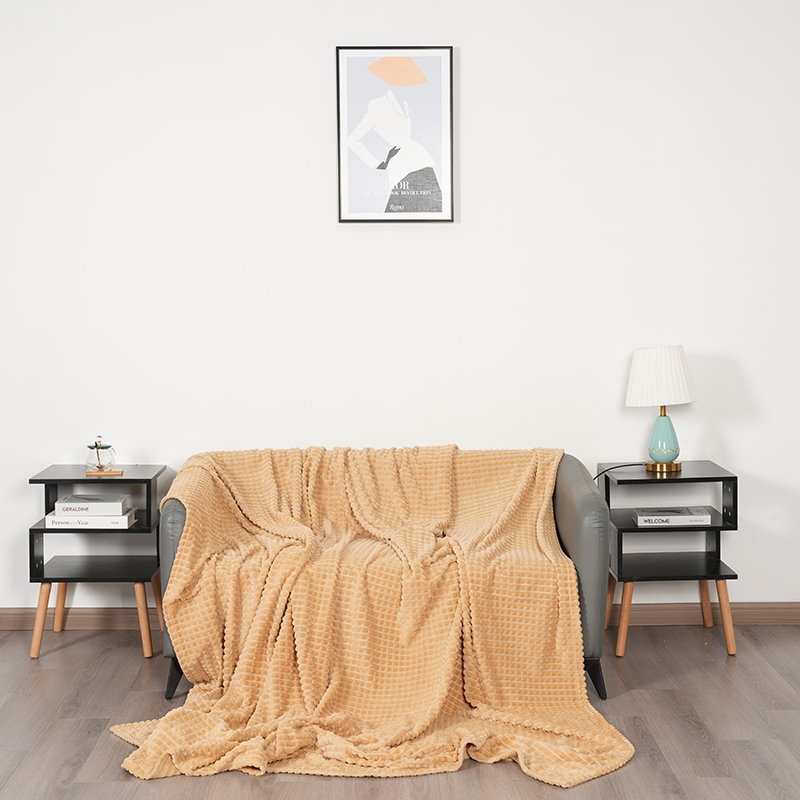
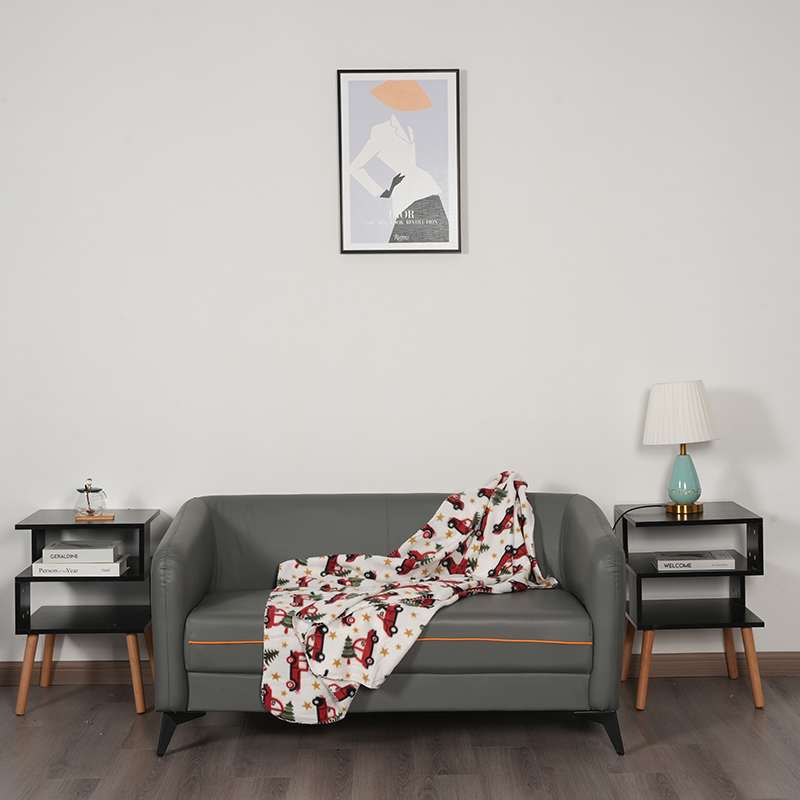
The Folded Edge Blanket is a versatile comforter that combines comfort and practicality, suitable for a variety of home and special occasions. Its unique hem design not only enhances the visual appeal but also increases durability.
In homes, the Folded Edge Blanket's most popular use is as bedding during winter and autumn. Its soft texture and warmth effectively protect against chilly nights, ensuring a quality sleep. It's also a great choice as a sofa blanket, lightweight and convenient, allowing you to easily wrap yourself in it and enjoy the cozy warmth while watching TV, reading, or taking a nap. The Folded Edge Blanket is also ideal for children, as its high-quality, fiber-free material is extremely skin-friendly and non-irritating.
In air-conditioned offices, knees and legs often feel cold, and a lightweight Folded Edge Blanket effectively shields the body from the chill and keeps you warm. Whether camping, picnicking, or watching outdoor sports, the Folded Edge Blanket is an ideal companion. It's easy to carry and compact, and can be used as a seat cushion or as a warm blanket to keep the cold at bay.
Product Categories
Recommended Products
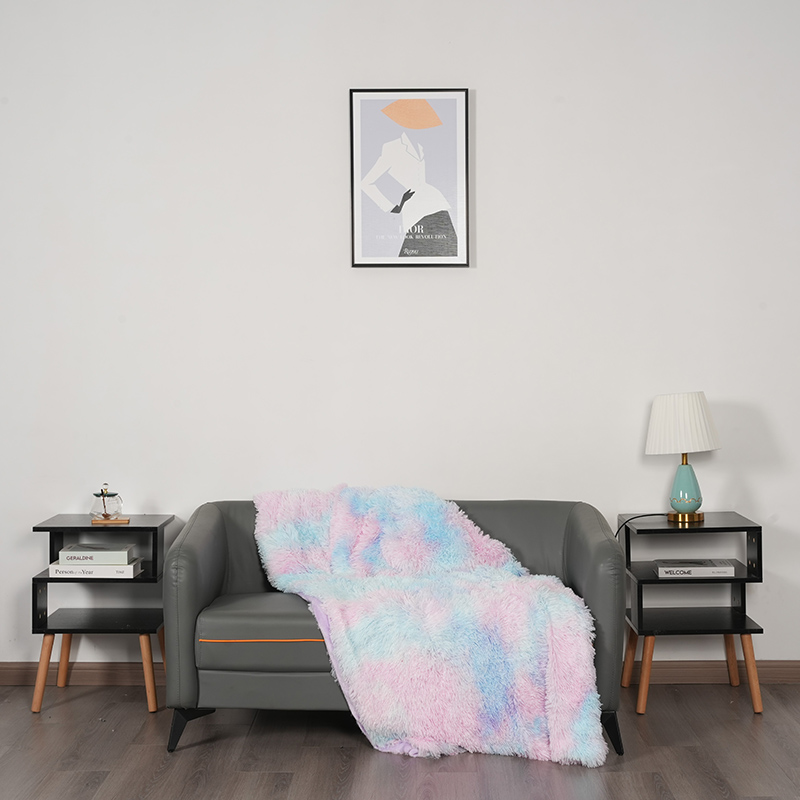
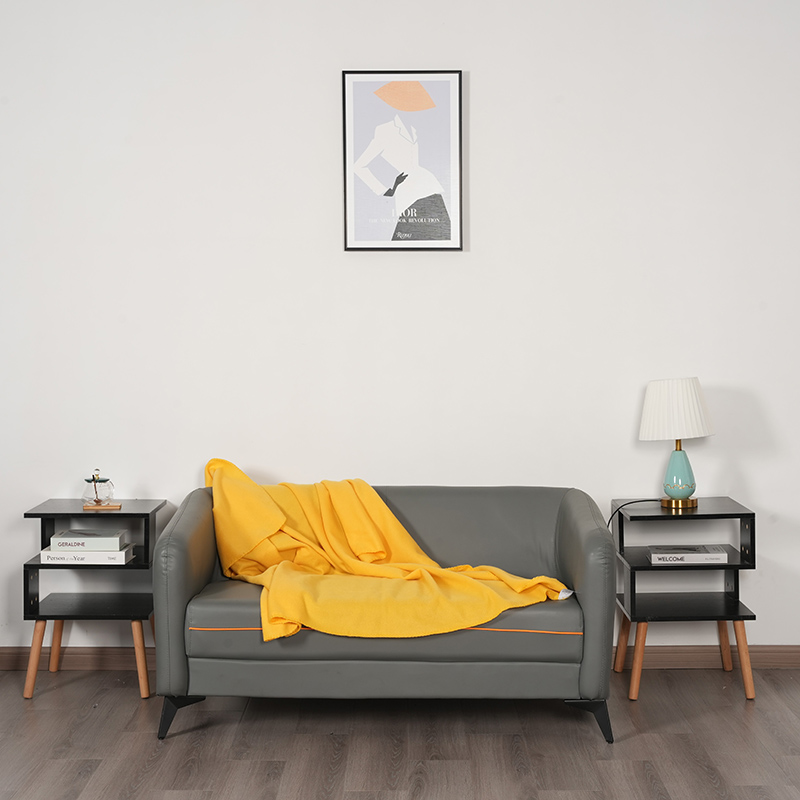

Shaoxing DingYi Textile Co., Ltd.
 Contact Us
About Us
Shaoxing DingYi Textile Co., Ltd. is a China Folded Edge Blanket Manufacturers and Folded Edge Blanket Factory . And is located in China Textile City,Shaoxing, Zhejiang, mainly for finished products, fabric factory, all year round production of flannel, coral velvet, sherpa and other blankets and fabrics. Adopt assembly line production, have a professional production quality inspection team. Our products are sold all over the world, for long time to supply supermarkets,and we also provide supplies for the brand suppliers of Amazon, the cross-border e-commerce business. We sincerely look forward to cooperating with you and hope that we can work together for win-win cooperation.
Contact Us
Pay attention to our latest news and exhibitions
READ OUR BLOG
-
Apr 06, 2026
Why Should You Choose a Flannel Quilted Duvet Over Regular Duvets?
In modern bedding markets, consumers are no longer satisfied with basic functionality—they expect products that combine comfort, durability, thermal performance, and aesthetic appeal. The Flannel Quilted Duvet has emerged as a preferred choice for both residential users and commercial buyers such as hotels and healthca...
READ MORE -
Mar 31, 2026
What Is a Folded Edge Blanket and Why Is It Better Than Traditional Blankets?
In today’s competitive textile and home furnishing market, product differentiation often lies in details such as craftsmanship, durability, and user comfort. One such innovation that has significantly improved blanket performance is the Folded Edge Blanket. Unlike conventional blankets that rely on simple overlock stit...
READ MORE -
Mar 23, 2026
Folded Edge Blanket: Who Is Actually Paying for the Process, and Who Is Just Using the Label?
What Exactly Does "Folding" Refer to as a Process in a Folded Edge Blanket, and How Does It Differ from Standard Binding? Defining the Folded Edge: A Process Built Into the Fabric Itself When a blanket is described as a folded edge blanket, the term refers to a specific finishing method in which the outer edge of the b...
READ MORE
Folded Edge Blanket Industry Knowledge
A Folded Edge Blanket is a home textile product characterized by edges that have undergone a specialized folding and stitching process. It is widely utilized across various sectors, including home furnishings, hospitality, and cross-border e-commerce. Compared to standard blankets, the Folded Edge Blanket offers significant improvements in terms of aesthetics, durability, and craftsmanship, establishing itself as a mainstream product category within the contemporary blanket industry.
Features of the Folded Edge Blanket
The most distinctive feature of the Folded Edge Blanket lies in its edge construction. By folding and stitching the edges of the blanket, the overall appearance becomes neater and more aesthetically pleasing, while simultaneously enhancing structural stability.
In terms of aesthetics, the folded-edge treatment effectively prevents issues such as fraying or loose threads along the edges, lending the product a premium feel that complements a wide variety of home decor styles. In practical application, this folded-edge design can also be customized—through variations in width, color, and stitching technique—to create diverse stylistic themes, ranging from minimalist and European-inspired to contemporary styles.
Regarding durability, the folded-edge structure minimizes the risk of edge abrasion and unraveling, ensuring the blanket remains in excellent condition even after repeated use and laundering. Consequently, this type of product is particularly well-suited for high-usage environments, such as hotels, vacation rentals, and daily household use.
Functionally, the Folded Edge Blanket serves not only as a source of warmth but also frequently functions as a decorative accent piece—whether draped over a sofa, laid across the foot of a bed, or utilized as a nap blanket or travel throw—demonstrating remarkable versatility across various settings.
Material Selection and Product Structure
The performance of a Folded Edge Blanket depends largely on its raw materials. Currently, common fabrics in the industry include Coral Velvet, Flannel, and wool-like materials (such as Sherpa).
In this sector, Shaoxing DingYi Textile Co., Ltd. serves as a representative industry exemplar. Located in Shaoxing—a major textile hub in China and home to the China Textile City—the company possesses comprehensive production capabilities and has long specialized in the manufacturing of fabrics such as Flannel, Coral Velvet, and Sherpa, as well as finished blankets.
From a material perspective:
- Coral Velvet features a fine, soft pile structure with excellent thermal retention, making it ideal for winter products.
- Flannel offers a delicate texture; it is lightweight and breathable, making it suitable for year-round blankets.
- Sherpa material possesses a wool-like texture and is frequently used in high-end or extra-thick blankets.
Folded Edge Blankets typically feature either a double-layer structure or a single-layer structure with added edging. The edges are finished either by binding with edging fabric or by directly folding and stitching the material itself, thereby enhancing the product's overall durability and aesthetic appeal.
Production Process Flow
The production process for Folded Edge Blankets typically involves multiple stages, including weaving, dyeing and finishing, cutting, edge folding and sewing, and final finishing.
In large-scale manufacturing, the adoption of assembly-line operations can significantly enhance both efficiency and consistency. For instance, Shaoxing DingYi Textile Co., Ltd. employs a mature assembly-line production model, supported by a professional quality inspection team that monitors the product through multiple checkpoints—from raw materials to finished goods—to ensure consistent product quality.
The specific process steps include:
- Fabric Preparation: Selecting fabrics of varying materials and weights based on specific order requirements.
- Cutting: Executing precise cuts according to standard dimensions.
- Edge Folding: Designing and folding the edges of the blanket; a common fold width ranges from 2 to 5 cm.
- Sewing: Utilizing industrial sewing equipment to perform overlocking or topstitching.
- Setting and Finishing: Enhancing the tactile feel (hand-feel) of the blanket through washing, drying, and brushing processes.
- Quality Inspection: Verifying dimensions, weight, color consistency, and seam durability.
This standardized production approach is particularly well-suited for large-volume orders and for meeting the supply demands of cross-border e-commerce platforms.
Market Applications and Industry Demand
Folded Edge Blankets enjoy steady demand across multiple market sectors:
In the home furnishings market, consumers increasingly prioritize both comfort and aesthetics; thanks to their refined appearance, Folded Edge Blankets have become a popular choice.
In the hospitality sector—including hotels and vacation rentals—products must balance durability with visual appeal; Folded Edge Blankets are widely adopted in this field due to their washability and robust structural integrity.
In the gift market, the high-quality texture and practical utility of Folded Edge Blankets make them a frequent choice for holiday presents or corporate gifts.
In the realm of cross-border e-commerce, Folded Edge Blankets rank among the high-frequency sales categories. Manufacturing enterprises such as Shaoxing DingYi Textile Co., Ltd. have long supplied the global market while providing consistent product support to Amazon brand vendors—a testament to the product's strong competitiveness in the international arena.
Quality Control and Industry Standards
In the textile industry, quality control is a critical factor influencing product competitiveness. Folded Edge Blankets typically undergo—and must pass—a series of inspection standards:
- Fabric Safety Testing: Compliance with international environmental standards (e.g., formaldehyde-free, free of harmful dyes).
- Physical Performance Testing: Including tensile strength, abrasion resistance, and shrinkage rate.
- Visual Inspection: Checking for defects such as color variations, skipped stitches, and broken threads.
- Dimensions and Weight Control: Ensuring the product strictly adheres to order specifications.
- Washability Testing: Maintaining structural integrity after multiple washing cycles.
Factories equipped with a comprehensive quality inspection system are more likely to earn the long-term trust of their clients. Shaoxing DingYi Textile Co., Ltd. serves as a prime example; the company employs a professional quality control team to monitor quality throughout the entire process—from raw materials to finished goods—a practice that is particularly vital for maintaining a stable supply chain.
Industry Development Trends
As the market evolves, the Folded Edge Blanket industry is exhibiting the following key development trends:
Materials: Eco-friendly recycled fibers and sustainable materials are gradually becoming the mainstream direction, meeting the environmental standards and requirements of the international market.
Manufacturing Processes: More refined edging techniques and automated equipment are set to enhance production efficiency and product consistency.
Market Dynamics: Cross-border e-commerce continues to grow, driving increased demand for standardized yet customizable products.
Supply Chain: Manufacturing enterprises with strong integration capabilities possess a distinct competitive advantage. For instance, Shaoxing DingYi Textile Co., Ltd. serves as a prime example within the industry; by integrating fabric production with finished product manufacturing—and through its long-standing service to global markets and brand clients—it demonstrates significant industry leadership.
Product Design: Folded Edge Blankets are gradually evolving toward greater personalization and functionality—incorporating features such as custom patterns, multi-purpose utility, and differentiated designs—to cater to the diverse needs of various consumer segments.

-

3rd Floor, Building 4, Zhongsu Packaging, No. 301 Tanggong Road, Yuecheng District, Shaoxing City, Zhejiang Province
-

+86-13456572618
-

client
Copyright © Shaoxing DingYi Textile Co., Ltd. Rights Reserved

