

 English
  Español
  عربى
عربى We are a national high-tech enterprise. At present, there are many kinds of self-woven and cooperatively processed fabrics, including microfiber warp-knitted towel cloth, weft-knitted towel cloth, coral fleece, etc.

Double-Layer Blanket Manufacturers
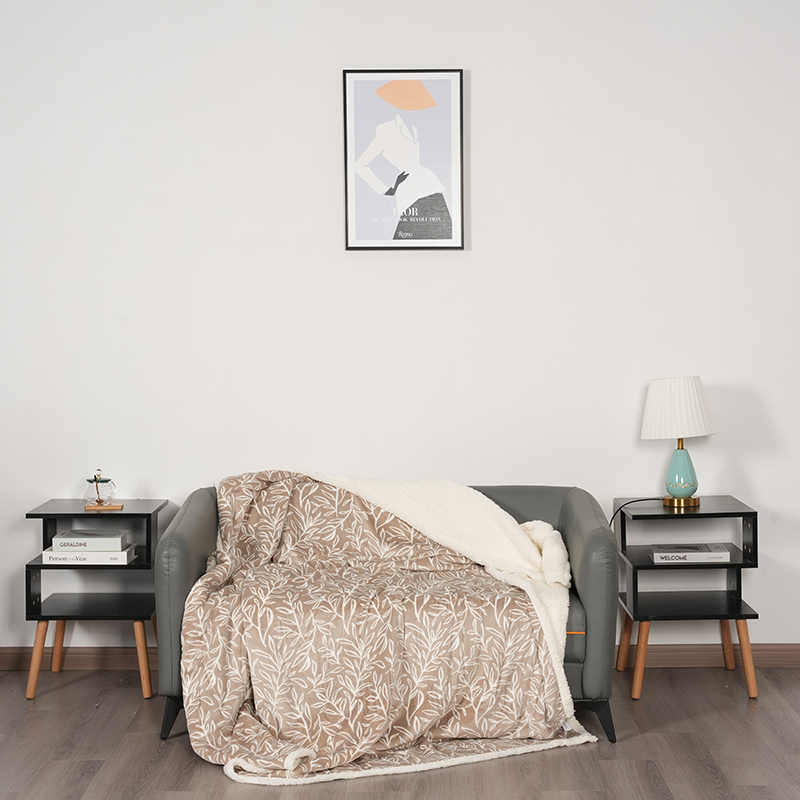
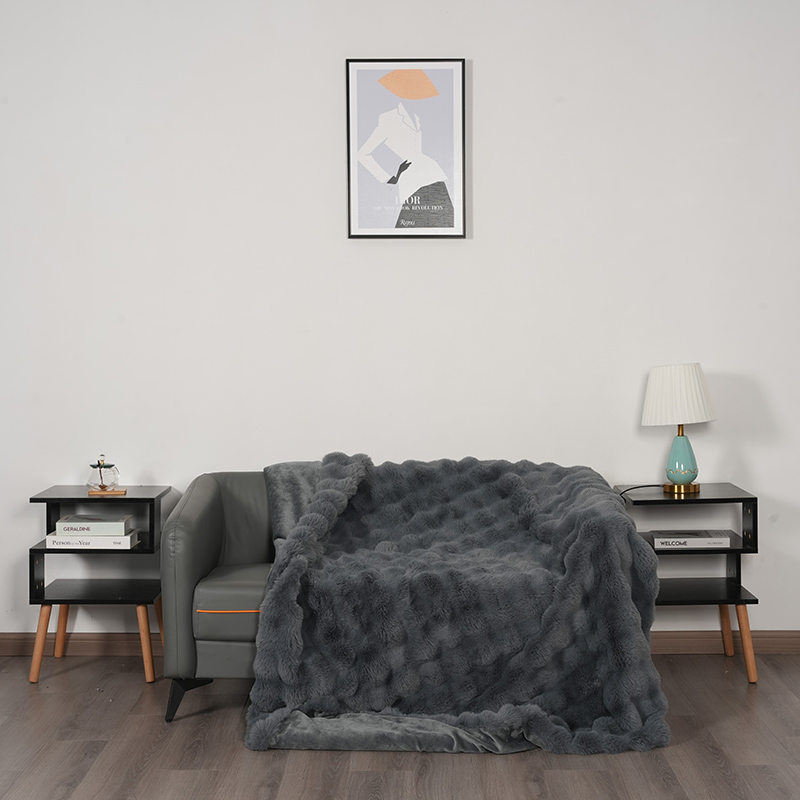
The Double-Layer Blanket is a must-have home item that combines comfort, practicality, and decorative features. It provides unparalleled softness and warmth, helping you stay cozy at all times. Its double-layered flannel design offers excellent thermal insulation, effectively trapping heat for long-lasting warmth. It's especially suitable for bedding. On cold nights, you can use it as a snug blanket, enjoying the direct contact of the soft double layer of fabric for a wonderful sleep experience.
The reversible design of this blanket means you don't need to distinguish between the front and back sides, and it retains the same warmth no matter how you fold it. It's perfect for everyday use at home or during breaks at the office, providing extra warmth and keeping you warm in air-conditioned environments. It's also incredibly portable; easily fold it up for travel, transforming it into a lightweight companion for added warmth and comfort.
The Double-Layer Blanket is also ideal for infants and seniors. Its soft texture and skin-friendly feel make it ideal for protecting delicate skin, effectively preventing colds and flu. For the elderly or people who need to keep warm continuously, its excellent thermal insulation performance can help maintain body temperature and ensure long-term warmth and comfort.
Product Categories
Recommended Products
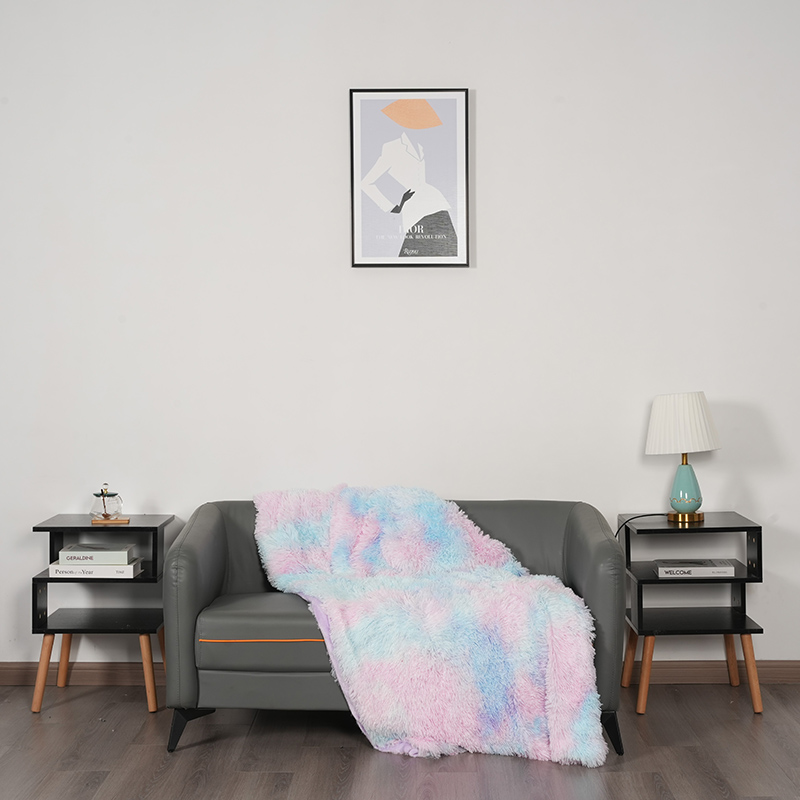
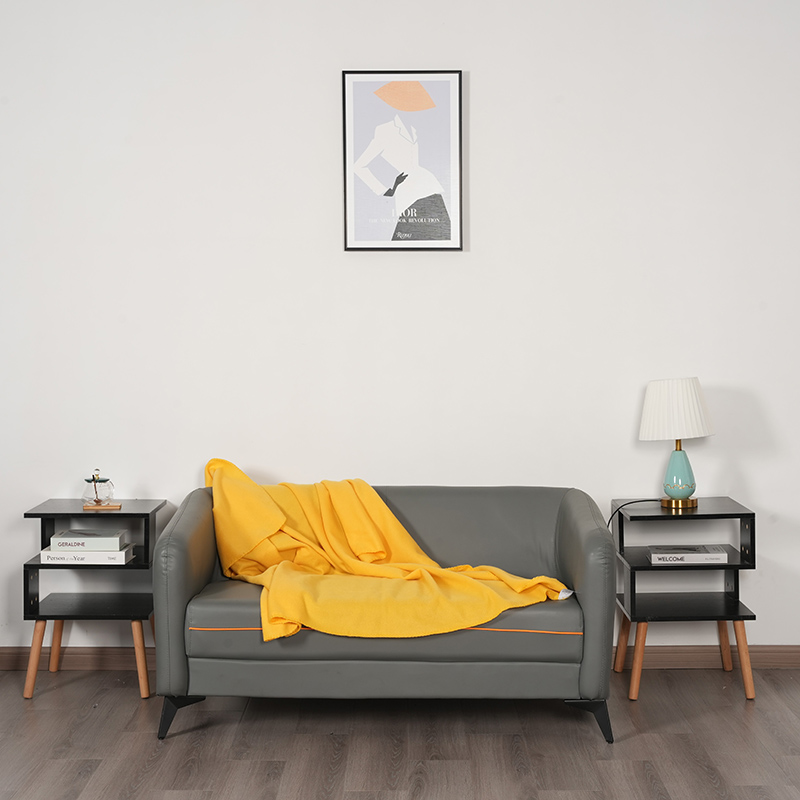

Shaoxing DingYi Textile Co., Ltd.
 Contact Us
About Us
Shaoxing DingYi Textile Co., Ltd. is a China Double-Layer Blanket Manufacturers and Double-Layer Blanket Factory . And is located in China Textile City,Shaoxing, Zhejiang, mainly for finished products, fabric factory, all year round production of flannel, coral velvet, sherpa and other blankets and fabrics. Adopt assembly line production, have a professional production quality inspection team. Our products are sold all over the world, for long time to supply supermarkets,and we also provide supplies for the brand suppliers of Amazon, the cross-border e-commerce business. We sincerely look forward to cooperating with you and hope that we can work together for win-win cooperation.
Contact Us
Pay attention to our latest news and exhibitions
READ OUR BLOG
-
Apr 06, 2026
Why Should You Choose a Flannel Quilted Duvet Over Regular Duvets?
In modern bedding markets, consumers are no longer satisfied with basic functionality—they expect products that combine comfort, durability, thermal performance, and aesthetic appeal. The Flannel Quilted Duvet has emerged as a preferred choice for both residential users and commercial buyers such as hotels and healthca...
READ MORE -
Mar 31, 2026
What Is a Folded Edge Blanket and Why Is It Better Than Traditional Blankets?
In today’s competitive textile and home furnishing market, product differentiation often lies in details such as craftsmanship, durability, and user comfort. One such innovation that has significantly improved blanket performance is the Folded Edge Blanket. Unlike conventional blankets that rely on simple overlock stit...
READ MORE -
Mar 23, 2026
Folded Edge Blanket: Who Is Actually Paying for the Process, and Who Is Just Using the Label?
What Exactly Does "Folding" Refer to as a Process in a Folded Edge Blanket, and How Does It Differ from Standard Binding? Defining the Folded Edge: A Process Built Into the Fabric Itself When a blanket is described as a folded edge blanket, the term refers to a specific finishing method in which the outer edge of the b...
READ MORE
Double-Layer Blanket Industry Knowledge
Ensuring the Integrity of Double-Layer Blankets after Washing
Material Selection and Fabric Quality
Shaoxing DingYi Textile Co., Ltd. produces double-layer blankets using materials such as flannel, coral velvet, and sherpa, which are selected for their durability and softness. High-quality fibers are less prone to pilling, shrinking, or distortion, which helps maintain the shape and structure of the blanket through multiple wash cycles. Careful fiber selection and consistent fabric density are essential to prevent the layers from separating.
Stitching and Layer Bonding Techniques
The method used to bond the two layers of the blanket significantly influences its resistance to separation. Shaoxing DingYi Textile Co., Ltd. employs stitching and quilting techniques that secure the layers evenly across the surface. Reinforced stitching at the edges and strategic bonding across the central area ensures that mechanical stress during washing does not compromise the layers’ integrity or lead to uneven tension that could distort the blanket’s shape.
Washing Machine Settings and Water Temperature
Choosing the correct washing machine settings is critical for preserving the blanket’s form. Gentle cycles with minimal agitation reduce the risk of stretching or misalignment of the layers. Water temperature should be moderate, as high heat can weaken fibers or shrink one layer more than the other, potentially causing distortion. Shaoxing DingYi Textile Co., Ltd. recommends washing at temperatures appropriate for each fabric type, avoiding sudden changes between hot and cold water.
Detergent Selection and Chemical Considerations
The type of detergent used can affect fiber strength and texture. Mild detergents without harsh bleaching agents or optical brighteners help maintain the softness and flexibility of the blanket layers. Shaoxing DingYi Textile Co., Ltd. advises the use of pH-balanced detergents to prevent weakening of fibers, which could lead to delamination or shape changes during repeated washing cycles.
Drying Methods and Layer Stability
Drying also plays a significant role in maintaining blanket integrity. Air-drying or tumble-drying on low heat prevents excessive shrinkage and preserves the bond between layers. High heat or rapid drying can cause one layer to contract more than the other, leading to wrinkling or deformation. Shaoxing DingYi Textile Co., Ltd. recommends laying the blanket flat for drying when possible, or using a low-heat tumble setting with occasional reshaping to maintain original dimensions.
Handling and Storage Practices
Proper handling and storage complement washing practices in preserving the blanket’s structure. Folding along natural seams rather than compressing or twisting minimizes stress on the layers. Shaoxing DingYi Textile Co., Ltd. suggests storing blankets in breathable containers to avoid moisture retention that could compromise the bonding of the layers or encourage fabric distortion over time.
Performance Metrics under Different Washing Conditions
Table 1 illustrates the typical impact of various washing conditions on double-layer blankets made by Shaoxing DingYi Textile Co., Ltd., showing how cycle type, water temperature, and drying method influence layer separation and shape retention.
| Washing Condition | Layer Separation Risk | Shape Distortion |
| Gentle Cycle, Cold Water, Flat Drying | Low | Minimal |
| Normal Cycle, Warm Water, Low-Heat Tumble Dry | Moderate | Some shrinkage |
| Heavy Cycle, Hot Water, High-Heat Tumble Dry | High | Noticeable distortion |
Preventive Measures for Longevity
Consistent preventive care ensures the blanket maintains its appearance and performance over time. Shaoxing DingYi Textile Co., Ltd. recommends using protective laundry bags for machine washing, avoiding overloading the washer, and following manufacturer instructions for both washing and drying. These measures help minimize mechanical stress, maintain layer adhesion, and preserve the original dimensions and softness of the blanket.
FAQ
Q: How does fabric selection affect the durability and layer adhesion of double-layer blankets?
A: Shaoxing DingYi Textile Co., Ltd. uses flannel, coral velvet, and sherpa fabrics that are chosen for their resilience and fiber strength. Selecting compatible fabrics for both layers ensures the materials expand and contract similarly during washing and drying, reducing the risk of layer separation and preserving the blanket’s overall shape.
Q: What washing practices help maintain the structural integrity of double-layer blankets?
A: Gentle machine cycles or hand washing with moderate water temperature are recommended to minimize stress on the blanket layers. Shaoxing DingYi Textile Co., Ltd. suggests avoiding heavy agitation or high heat, which can cause uneven shrinkage and distort the layers.
Q: How can the stitching or quilting method influence the longevity of a double-layer blanket?
A: Evenly spaced stitching or quilting distributes mechanical stress across the blanket, preventing localized strain that could separate layers. Shaoxing DingYi Textile Co., Ltd. applies precise stitching patterns to secure the layers firmly while maintaining softness and flexibility.
Q: What role do detergents play in preserving the texture and shape of double-layer blankets?
A: Mild, pH-balanced detergents prevent fiber weakening and preserve softness. Shaoxing DingYi Textile Co., Ltd. recommends avoiding bleach or harsh chemicals, which could degrade the bonding between layers and alter the blanket’s original texture.
Q: How does drying method affect layer adhesion and blanket shape?
A: Air-drying or low-heat tumble drying helps maintain uniform layer dimensions and prevents shrinkage. Shaoxing DingYi Textile Co., Ltd. advises reshaping the blanket while damp and drying it flat when possible to preserve the original form and layer alignment.
Q: What handling or storage practices help extend the lifespan of double-layer blankets?
A: Folding along natural seams and storing blankets in breathable containers reduces stress and moisture accumulation. Shaoxing DingYi Textile Co., Ltd. emphasizes careful handling to maintain the bond between layers and avoid compression that could distort the blanket’s shape over time.
Q: How does the combination of different fabric types in a double-layer blanket impact comfort and maintenance?
A: Pairing fabrics with similar fiber behavior ensures even shrinkage and softness. Shaoxing DingYi Textile Co., Ltd. strategically combines flannel, coral velvet, or sherpa to balance warmth, texture, and ease of care, ensuring the blanket remains comfortable and maintains its layered structure after repeated washes.

-

3rd Floor, Building 4, Zhongsu Packaging, No. 301 Tanggong Road, Yuecheng District, Shaoxing City, Zhejiang Province
-

+86-13456572618
-

client
Copyright © Shaoxing DingYi Textile Co., Ltd. Rights Reserved

