

 English
  Español
  عربى
عربى We are a national high-tech enterprise. At present, there are many kinds of self-woven and cooperatively processed fabrics, including microfiber warp-knitted towel cloth, weft-knitted towel cloth, coral fleece, etc.
Content
- 1 What a Double-Layer Blanket Actually Is
- 2 What a Regular (Single-Layer) Blanket Is
- 3 The Insulation Advantage: Why Two Layers Trap More Warmth
- 4 Texture and Comfort: The Two-Sided Experience
- 5 Durability: How the Construction Affects Lifespan
- 6 Weight and Drape: A Meaningful Practical Difference
- 7 Head-to-Head: Double-Layer vs. Single-Layer Blanket
- 8 When a Double-Layer Blanket Is the Right Choice
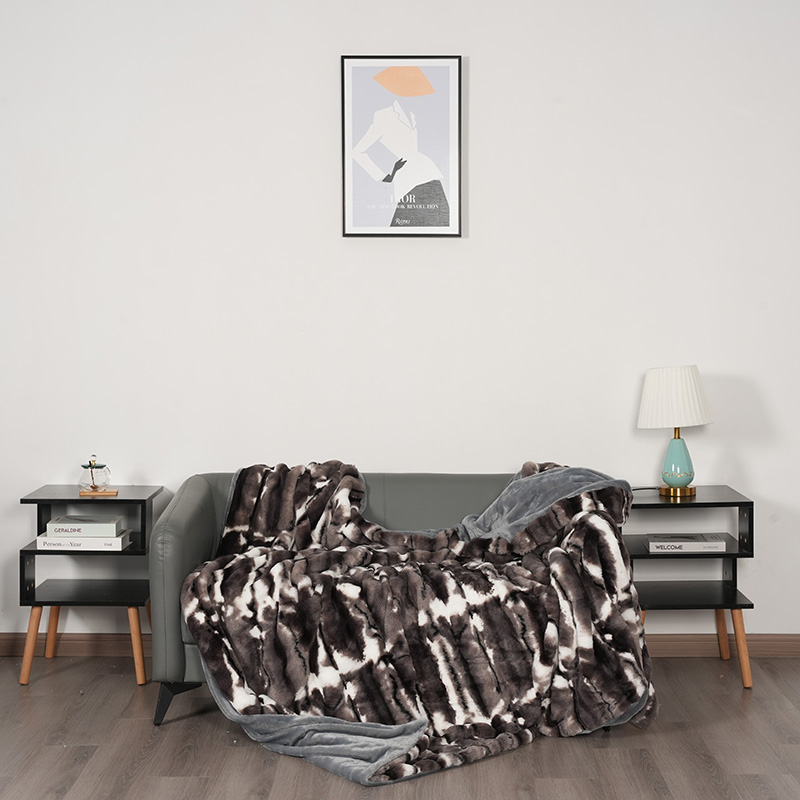
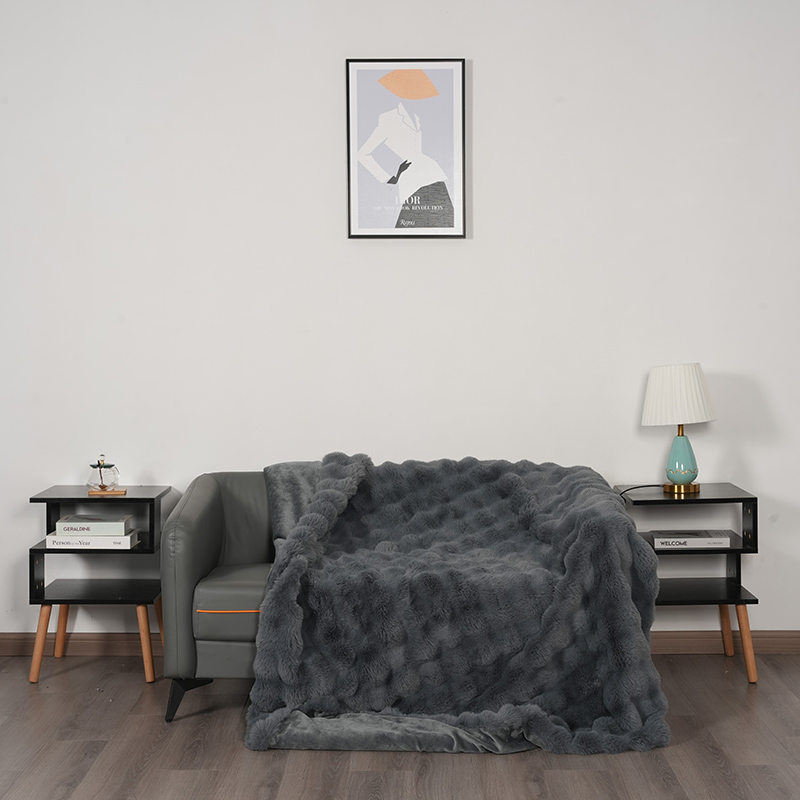
A double-layer blanket is a blanket constructed from two distinct fabric layers that are bonded, sewn, or quilted together — creating a thicker, more insulating, and more structurally durable product than a standard single-layer blanket. The core difference is not just thickness: the dual-layer construction changes warmth retention, texture, weight, drape, and longevity in ways that a single layer of heavier fabric simply cannot replicate. This article explains exactly what sets double-layer blankets apart and helps you understand when the distinction actually matters.
What a Double-Layer Blanket Actually Is
A double-layer blanket consists of two separate fabric panels constructed together as a single product. The two layers may be made from the same material — for example, two panels of fleece — or from different materials, such as a soft minky surface paired with a cotton or flannel backing.
The layers are joined by one of three main construction methods:
- Edge binding only: The two layers are sewn together at the perimeter, leaving the interior layers unattached. This is common in baby blankets and throw blankets where a soft, loose feel is desired.
- Quilted stitching: Rows or patterns of stitching run across the entire blanket surface, anchoring both layers together at regular intervals. This prevents internal shifting and adds structural definition.
- Bonded or laminated construction: The two fabric layers are chemically or thermally fused together across their entire surface, creating a single unified structure. Common in performance outdoor blankets and medical-use products.
Each construction method produces a different hand feel, drape, and functional behavior — which is why two blankets that are both technically "double-layer" can feel and perform quite differently in use.
What a Regular (Single-Layer) Blanket Is
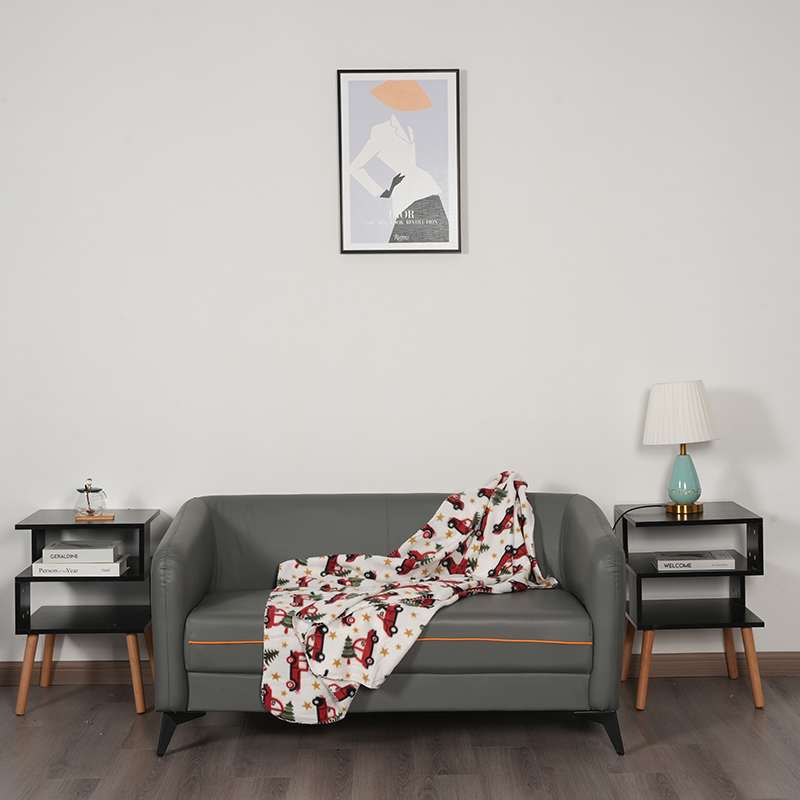
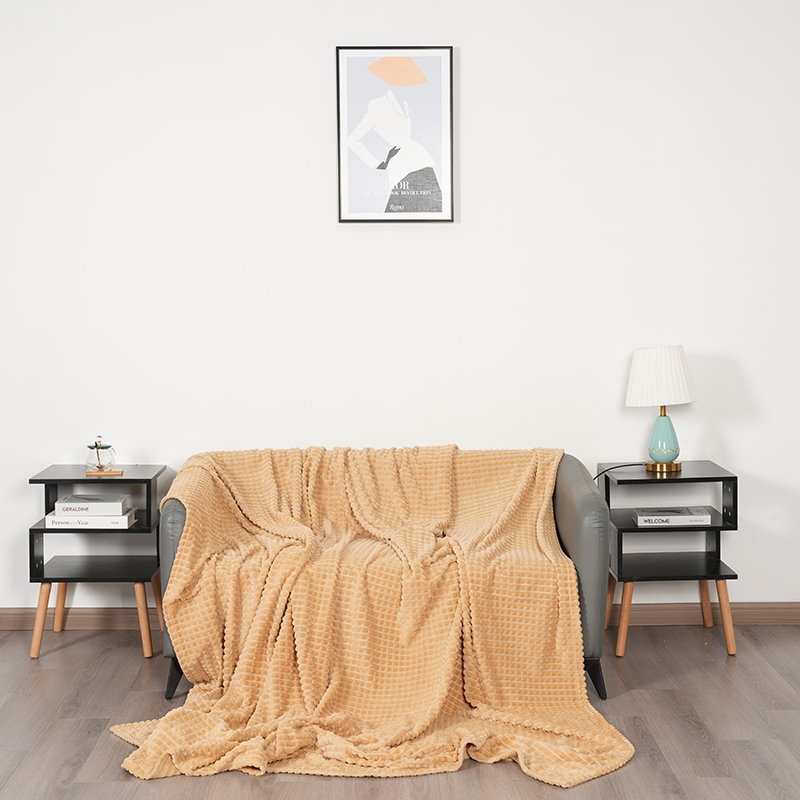
A regular blanket is made from a single continuous piece of fabric — woven, knitted, or otherwise constructed as one layer. Common examples include cotton waffle-weave blankets, acrylic knit blankets, wool throws, and lightweight fleece blankets.
Single-layer blankets can be made thicker and heavier by using denser fabric constructions or heavier yarns, but they remain a single structural layer throughout. A 400 GSM (grams per square meter) single-layer fleece blanket, for example, will be noticeably heavy — but it still lacks the trapped air insulation layer and the two-sided texture that a dual-layer product provides.
The Insulation Advantage: Why Two Layers Trap More Warmth
The primary functional advantage of a double-layer blanket over a single-layer one is thermal performance, and the reason comes down to physics rather than fabric weight.
When two fabric layers are joined with a small amount of space or loft between them, that gap traps a layer of still air. Still air is one of the best natural insulators available — it has a thermal conductivity of approximately 0.025 W/m·K, compared to 0.04–0.06 W/m·K for most textile fibers. This means the air trapped between the layers contributes meaningfully to the blanket's overall insulation value, independent of the fabric weight.
In practical terms: a double-layer fleece blanket with a combined weight of 350 GSM will typically feel warmer than a single-layer fleece blanket of 400 GSM, because the layered construction creates insulating air pockets that the denser single-layer fabric cannot replicate.
Texture and Comfort: The Two-Sided Experience
A double-layer blanket made from two different fabrics offers something a single-layer blanket structurally cannot: a different tactile experience on each side. This is particularly valued in blankets designed for daily comfort use.
Common double-layer material pairings include:
- Minky + flannel: Ultra-soft plush surface on one side, warm brushed cotton on the other — popular for baby blankets and nursery use
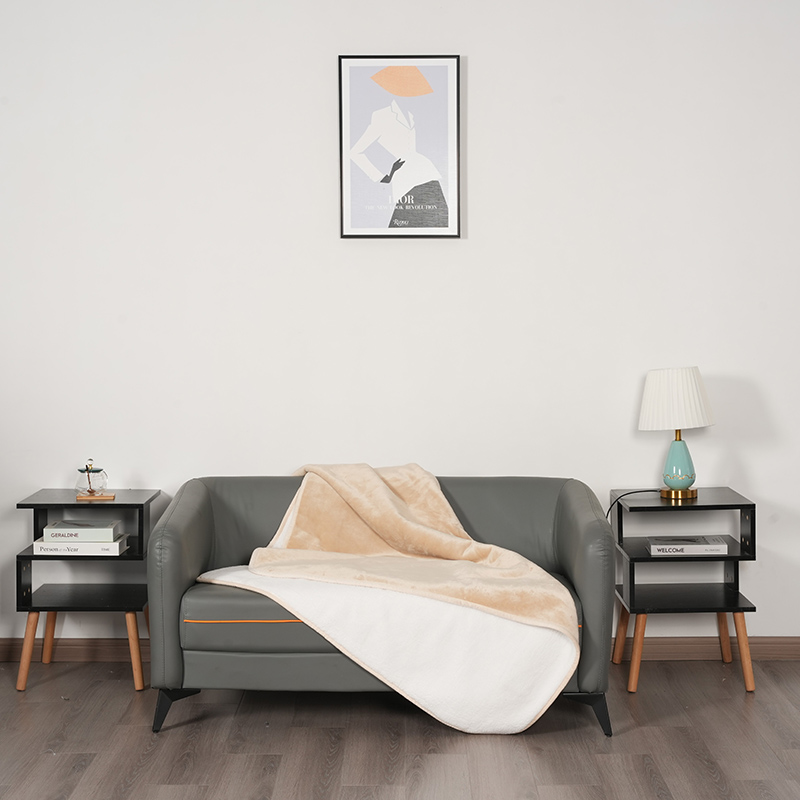
- Sherpa + fleece: Textured, wool-like sherpa face paired with smooth fleece backing — common in throw blankets and bed blankets for adults
- Cotton + polyester fleece: Breathable cotton on one side for warmer sleepers, insulating fleece on the other for cooler nights
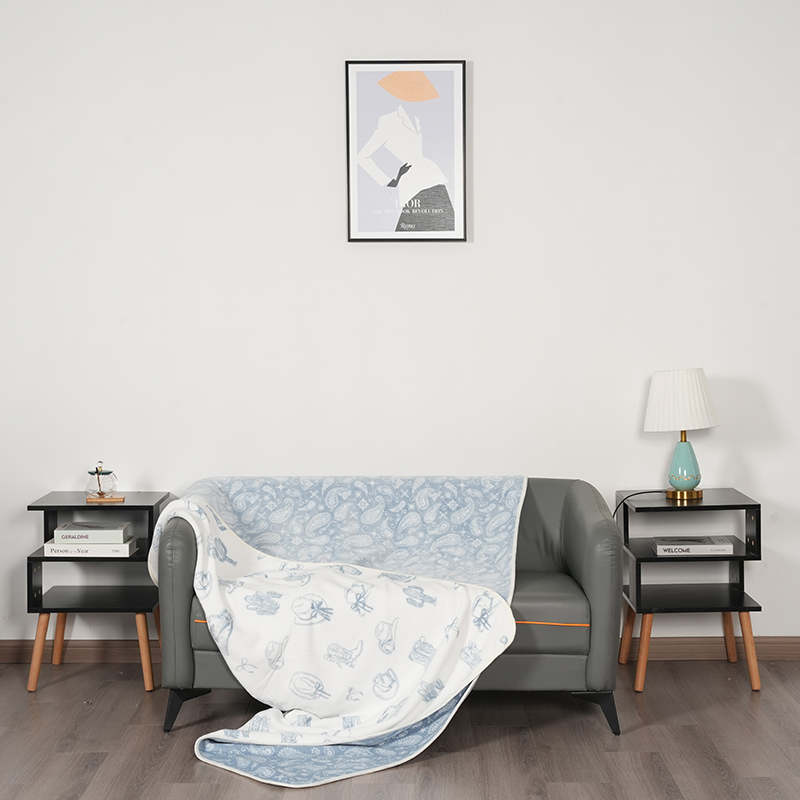
- Woven fabric + knit backing: Decorative woven surface with a soft knit reverse — used in decorative throws where aesthetics matter as much as warmth
This versatility means the user can flip the blanket depending on personal preference or ambient temperature — a simple feature that adds genuine daily utility.
Durability: How the Construction Affects Lifespan
Double-layer blankets tend to outlast single-layer blankets of equivalent fabric weight for two structural reasons.
First, pilling and surface wear are significantly reduced. In a single-layer fleece or knit blanket, repeated washing and friction directly degrades the outer surface fibers — leading to visible pilling within 20–30 wash cycles for lower-quality products. In a double-layer blanket, even if the outer surface of one layer shows minor wear, the second layer continues to provide structural integrity and insulation.
Second, edge and seam durability is improved. Single-layer blankets with finished edges are vulnerable to edge fraying, particularly along binding seams. A double-layer blanket's bound edges encapsulate both layers simultaneously, distributing stress across twice the fabric thickness and reducing the rate of edge failure.
A well-constructed double-layer blanket in a household with regular weekly washing can reasonably be expected to maintain its appearance and function for 5–8 years, compared to 2–4 years for a typical single-layer equivalent at the same price point.
Weight and Drape: A Meaningful Practical Difference
Double-layer blankets are heavier than single-layer blankets of the same dimensions. For a standard throw size (approximately 127 cm × 152 cm), the weight difference is typically 300–600 grams depending on materials used — noticeable in daily handling but rarely a comfort issue for most users.
The added weight does affect drape. Single-layer knit or woven blankets tend to drape fluidly and conform closely to body contours. Double-layer blankets — especially those with bonded or closely quilted construction — have more body and hold their shape more rigidly. This is a preference issue rather than a quality one: some users prefer the enveloping feel of a conforming single-layer blanket; others prefer the structured, substantial feel of a double-layer product.
For users who specifically seek the therapeutic benefits of gentle pressure weight — a category growing in popularity for anxiety and sleep support — double-layer blankets provide a middle ground between a standard blanket and a purpose-built weighted blanket.
Head-to-Head: Double-Layer vs. Single-Layer Blanket
| Feature | Double-Layer Blanket | Single-Layer Blanket |
|---|---|---|
| Insulation | Higher — trapped air layer adds warmth | Lower at equivalent weight |
| Texture Options | Two different surfaces possible | One surface on each side |
| Durability | Higher — dual-layer resists wear | Lower — surface wears directly |
| Weight | Heavier (300–600g more per throw) | Lighter |
| Drape | More structured, holds shape | More fluid, conforms to body |
| Price | Higher (more material and labor) | Lower upfront cost |
| Best Use Case | Year-round warmth, daily use, gifting | Lightweight layering, warm climates |
When a Double-Layer Blanket Is the Right Choice
A double-layer blanket is worth choosing over a single-layer alternative in these situations:
- Year-round daily use — the dual-layer construction holds up to frequent washing better than most single-layer options
- Baby and toddler blankets — the soft, safe layering of materials like minky and flannel is a standard in infant bedding, and the construction withstands the high wash frequency that comes with infant care
- Gifting — double-layer blankets have a noticeably premium feel in hand that single-layer products at a similar price rarely match
- Cold climates or drafty spaces — the trapped-air insulation advantage is most pronounced when ambient temperatures are low
- Users who prefer weighted comfort — the additional mass provides gentle pressure that many people find conducive to relaxation and sleep
Conversely, if portability, packability, or use in warm climates is the priority, a high-quality single-layer blanket in a breathable fabric like cotton or bamboo remains the more practical choice. The double-layer construction adds genuine value — but only where its specific advantages are actually needed.