

 English
  Español
  عربى
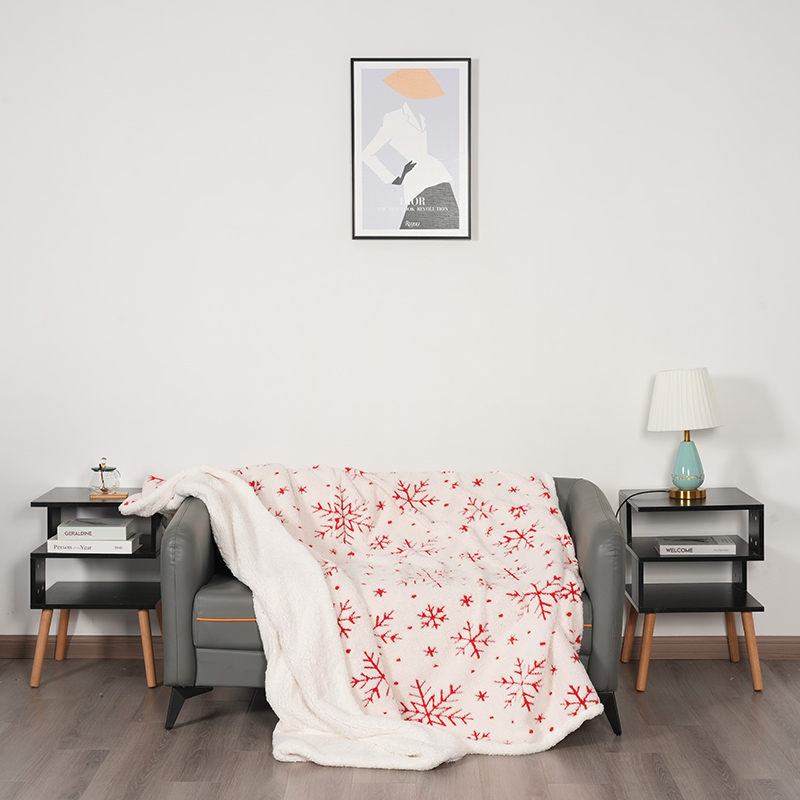
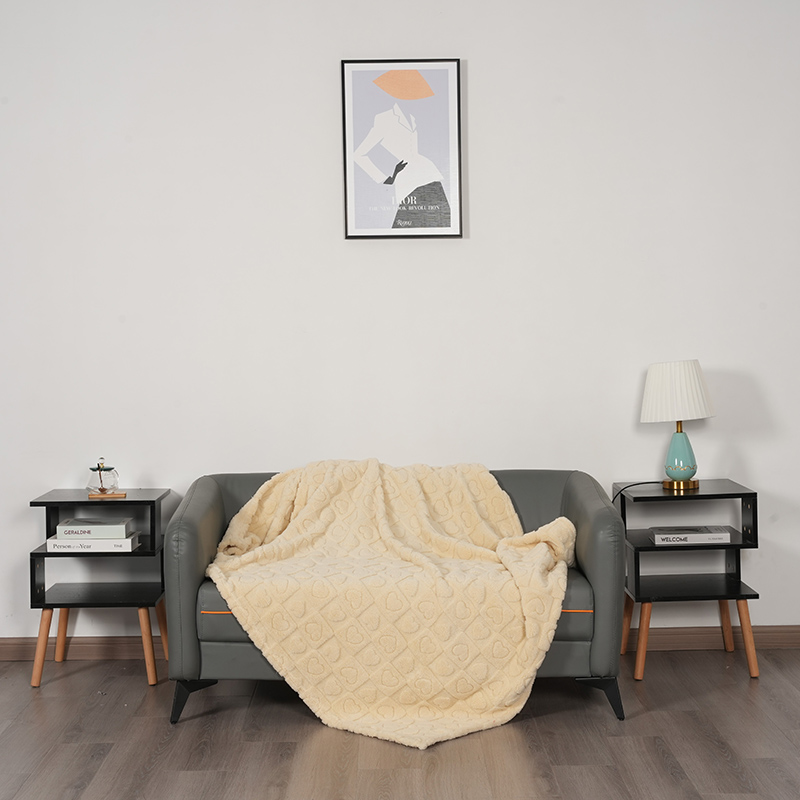
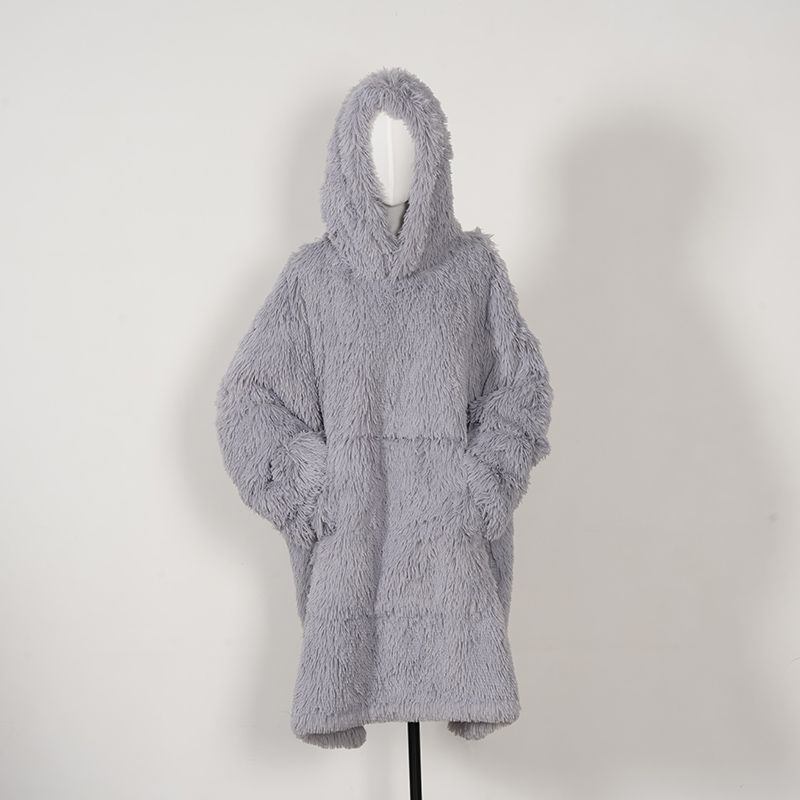
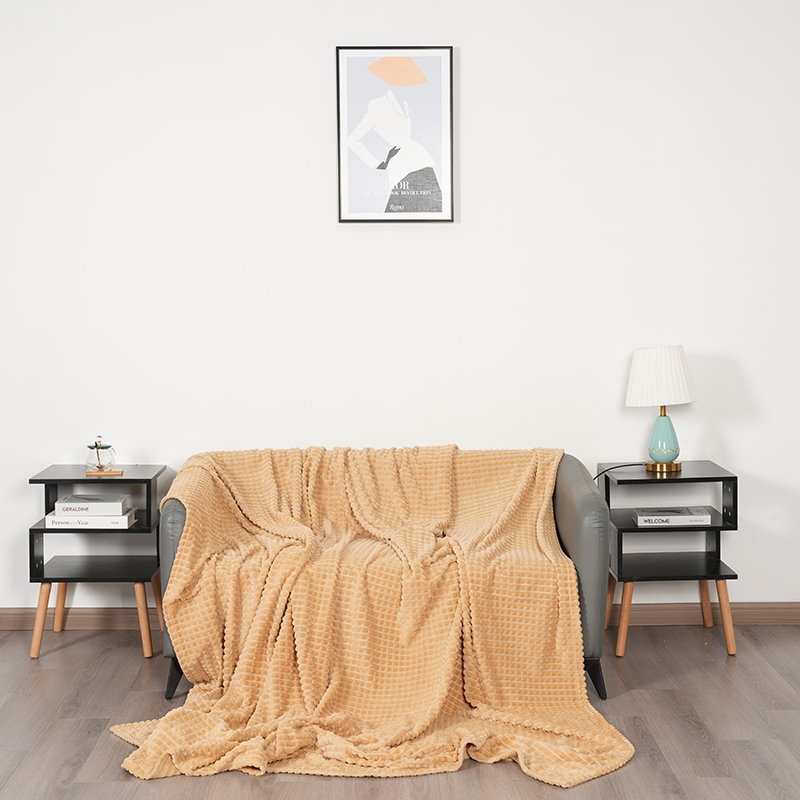
عربى We are a national high-tech enterprise. At present, there are many kinds of self-woven and cooperatively processed fabrics, including microfiber warp-knitted towel cloth, weft-knitted towel cloth, coral fleece, etc.
Content
Quick Answer: The Four Factors That Matter Most
The right bedding set comes down to four factors: correct size for your mattress (including pocket depth), a fiber that matches your sleep temperature (cotton or linen for hot sleepers, flannel or sateen for cold sleepers), a thread count or GSM appropriate to the material type, and a weave that suits your desired feel (crisp percale vs. smooth sateen). Getting these four right matters far more than brand name or marketing terms like "luxury" or "Egyptian cotton," which are not standardized and can be misleading.
As a starting point: most sleepers do well with 100% cotton percale in the 300-400 thread count range, which balances breathability, durability, and cost. From there, adjust based on climate, budget, and personal texture preference. The sections below walk through sizing, materials, weave types, and what's actually included in a typical set.
Step 1: Get the Size Right
Size mismatches are the most common reason bedding sets get returned, and the issue is rarely the mattress dimension itself — it's the fitted sheet's pocket depth.
| Size | Mattress Dimensions | Standard Pocket Depth |
|---|---|---|
| Twin | 39 x 75 in | 9-12 in |
| Full/Double | 54 x 75 in | 9-14 in |
| Queen | 60 x 80 in | 12-16 in |
| King | 76 x 80 in | 12-16 in |
If your mattress is a pillow-top or has a topper, look for "deep pocket" sheets rated for at least 15-18 inches, since standard-depth fitted sheets frequently pop off the corners of taller mattresses within days of use.
Step 2: Choose a Material for Your Sleep Temperature
Fiber content is the single biggest factor in how a bedding set feels overnight, particularly for temperature regulation.
For Hot Sleepers
Linen and percale-weave cotton are the most breathable options, allowing air to circulate through the fabric and wick moisture away from the body. Bamboo-derived (lyocell/rayon) sheets are also popular for their cooling, moisture-wicking properties, though they can be pricier than cotton.
For Cold Sleepers
Flannel (ideally 150+ GSM) and sateen-weave cotton trap more warmth and feel cozier against the skin. Flannel in particular is rated for significantly higher insulation than lightweight percale, making it the go-to choice for cold climates or unheated bedrooms.
For Sensitive Skin
Organic cotton or Tencel/lyocell sheets are good choices for sensitive skin, since they're processed with fewer chemical treatments and tend to be softer with less friction than synthetic-blend fabrics.
Step 3: Understand Thread Count and Weave Type
Thread count is widely marketed but often misunderstood — and weave type matters just as much for how a sheet actually feels.
- Percale weave: a simple one-over, one-under weave that produces a crisp, matte, cool-to-the-touch feel; best in the 200-400 thread count range
- Sateen weave: a weave with more threads floating over the surface, creating a smooth, slightly glossy feel with more warmth retention; typically 300-600 thread count
- Thread counts above 600 often use multi-ply yarns (two thinner threads twisted and counted as one), which can inflate the number without improving actual quality
A well-made 300 thread count percale sheet will typically outperform a poorly constructed 800 thread count sheet, since fiber quality and weave consistency matter more than the raw thread count number alone.
Step 4: Know What's Included in a Set
"Bedding set" contents vary by retailer, so it's worth confirming exactly what you're getting before comparing prices.
- Flat sheet (sometimes omitted in duvet-style sets)
- Fitted sheet
- Pillowcases (1 for twin, 2 for full/queen/king)
- Duvet cover or comforter, depending on the set type
- Decorative shams or accent pillows, in some higher-end sets
"Sheet sets" and "bedding sets" are often used interchangeably but aren't always the same thing — a sheet set typically excludes a duvet or comforter, while a full bedding set usually includes one, so double-check the listing before assuming coverage.
Step 5: Factor in Care and Durability
Different materials require different care routines, which affects long-term cost and convenience.
- Cotton percale and sateen are typically machine washable and dry relatively quickly
- Linen improves with washing but wrinkles easily and may need a bit more care to maintain a tidy look
- Flannel needs low-heat drying to avoid shrinkage and preserve the brushed texture
- Silk and some specialty fabrics may require hand washing or dry cleaning, adding to long-term maintenance cost
With proper care, a quality cotton bedding set can last 5-10 years before noticeable thinning or pilling sets in, making it worth investing slightly more upfront in a durable weave rather than replacing a cheaper set every year or two.
Quick Decision Checklist
Use this checklist to narrow down your choice quickly:
- Have you confirmed the fitted sheet's pocket depth matches your mattress height?
- Does the material match your typical sleep temperature (cotton/linen for hot, flannel/sateen for cold)?
- Is the thread count reasonable for the weave type, rather than suspiciously high for the price?
- Do you know exactly what pieces are included in the set?
- Can you commit to the care routine the fabric requires (machine wash vs. dry clean)?
Once these basics are covered, the remaining decision is largely personal preference — color, pattern, and brand — so you can shop with confidence knowing the functional fundamentals of fit, comfort, and durability are already accounted for.